Prosthetics Makeup Courses | Brushstroke Makeup School
prosthetic makeup courses offer an exciting launchpad for makeup careers – whether in film, TV or stage. In this post we look at what prosthetic makeup means. We also look at how it differs from SFX makeup. We also look at how life casts are made and the materials that are used to make them. If you’re interested training for prosthetics makeup, visit our 2-year course page below.
Want to see how it all works in person? A visit lets you look around the studios and meet the tutors before you commit to anything.
What is Prosthetics Makeup?
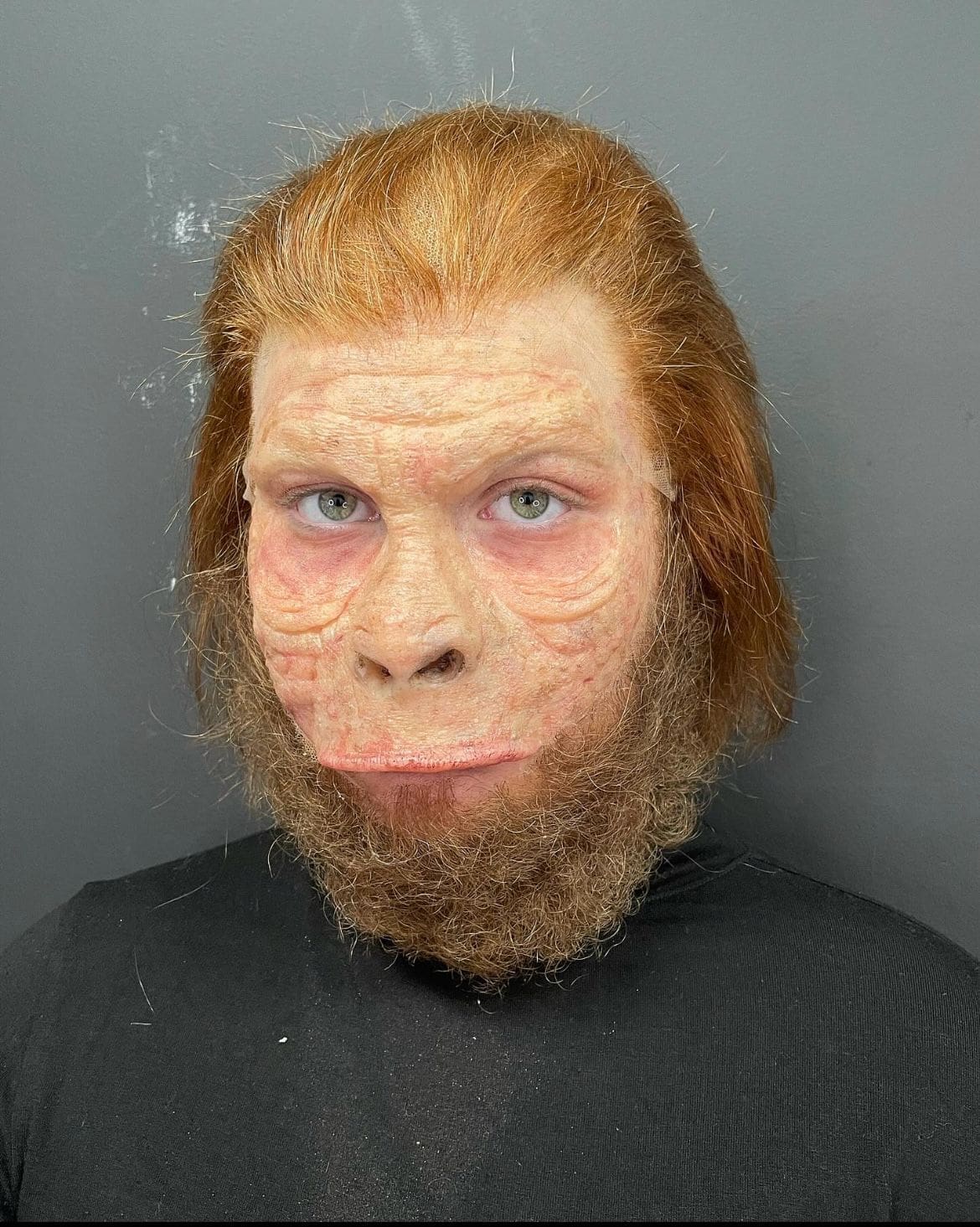
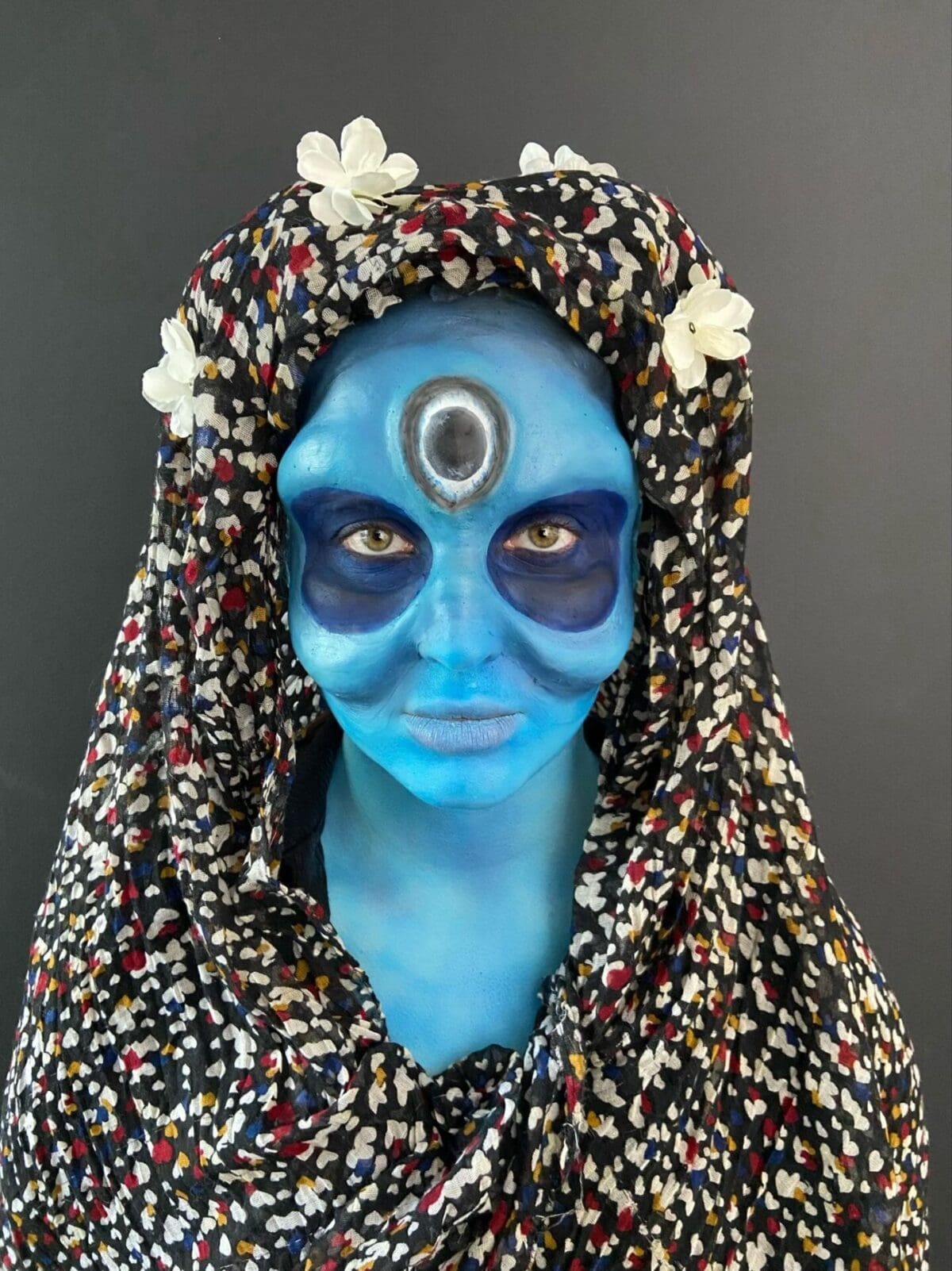
Prosthetics makeup courses and modules are popular choice for makeup artists in training. Prosthetics makeup is sometimes grouped with Special Effects (SFX) Makeup. But there is a difference between prosthetics and the application of makeup use of airbrushing techniques. Prosthetic makeup uses casts to create significant changes to faces, limbs and bodies. Creating prosthetics involves the use of life casts. These are essentially three-dimensional copies of body parts or even full bodies. Life casts allow the artist to create amazing creative pieces. The pieces vary from cuts, scars and bruises, to severed limbs and other gory and realistic effects. Prosthetic makeup can be used in a wide range of film genres. These include horrors and action films as well as war epics, historical dramas and science fiction. When creating prosthetic makeup it leaves much to the imagination of the creative makeup artist. You can create a full change of facial features to look like aliens, zombies, war victims or whatever takes your fancy
How are Prosthetic Life Casts Made?
Casts are made of the actor’s body which is called life casting. The life-like cast provides the make-up artist with a canvas. From the canvas they can mold their creation prior to applying it to the actual person. This process takes several hours depending on the complexity of the casting. For instance the cast needs to match the skin tone of the actor. The length of time in achieving this will affect the total time of the creation.
Materials are used in prosthetics for different effects. For example, in the Wizard of Oz, foam latex was used because of its lightweight application. This made an excellent candidate for facial prosthetics. Foam latex forms the skin and muscles of puppets in stop-animation films. For example in the 1990s cartoon series Celebrity Death Match, the characters appear to be made of clay. In fact, they were actually made of foam latex.
Another material used in life casts is gelatin. Gelatin has a high elastic and flesh-like consistency. This makes it ideal for prosthetic artists. The elastic properties of gelatin means it can be recast to get the perfect look. All these factors contribute to the production of intricate and lifelike details.

What Materials Are Used In Prosthetic Makeup?
Prosthetic makeup uses different materials including gelatin, silicone, latex chips, gypsum cement and various paints and decorative materials. Prosthetic makeup allows you to form innovative creations with fascinating effects. You’ll get to turn people into wonderful, animated creations including animals, aliens, monsters, zombies, goblins, fairy princesses. The possibilities are endless. There are also great opportunities at the end of a course in prosthetics makeup, including being a make-up artist for feature films and stage acting
What Courses are Available in Prosthetics?
The best way to understand the work is to see it in person. Brushstroke has trained makeup artists inside Elstree and Longcross studios for over thirty five years, and a visit lets you watch the training up close.
Further reading
Training into special effects makeup.
A clear introduction to SFX makeup.
What an SFX makeup artist actually does.
A short taster of special effects makeup.