
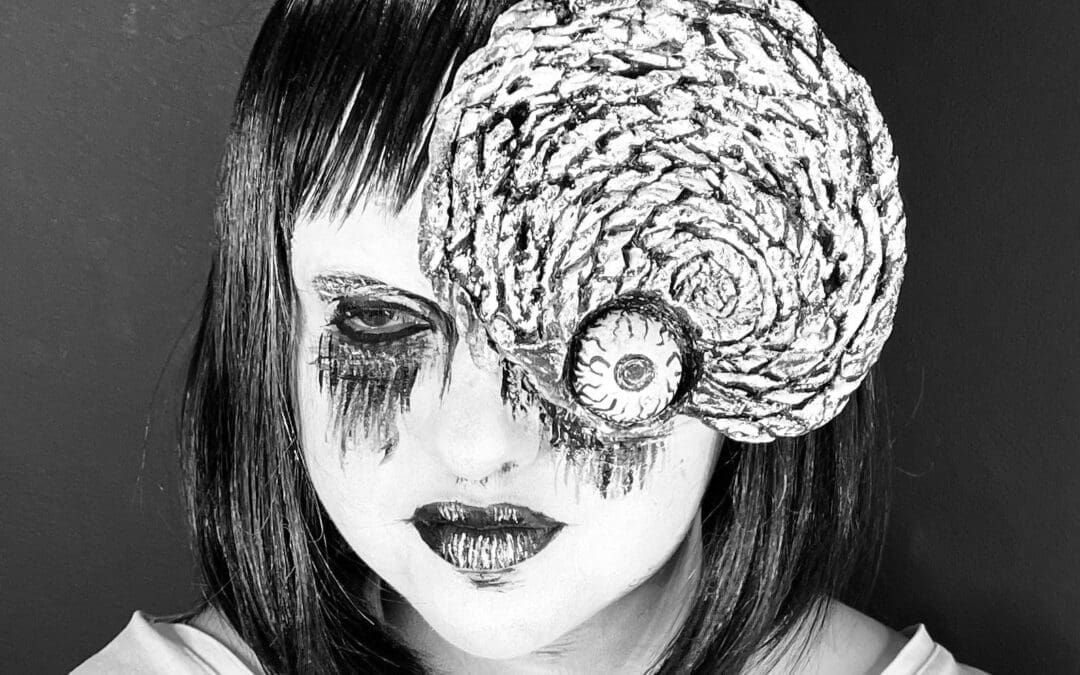
What is Special Effects (SFX) Makeup? The Complete Guide
Special effects makeup is one of the most exciting and creative branches of the makeup artistry profession. From terrifying movie monsters to intricate fantasy creatures, SFX makeup artists bring the impossible to life. This guide explores everything you need to know about SFX makeup and how to train for a career in this fascinating field.
Want to see how it all works in person? A visit lets you look around the studios and meet the tutors before you commit to anything.
What Exactly is Special Effects Makeup?
Special effects makeup, commonly abbreviated as SFX makeup, is a specialised branch of makeup artistry that uses prosthetics, sculpting, moulding, and painting techniques to create realistic transformations on the human body. Unlike conventional beauty or fashion makeup, SFX makeup goes far beyond enhancing natural features. It is about fundamentally altering a person’s appearance to create characters, creatures, injuries, ageing effects, and other visual illusions that would be impossible to achieve through standard cosmetic application alone.
The art of special effects makeup has a rich history dating back to the earliest days of cinema. Pioneers in the field developed groundbreaking techniques to bring fictional characters to life on screen, and today the craft continues to evolve with new materials, technologies, and creative approaches. Modern SFX makeup artists work across film, television, theatre, advertising, music videos, and live events, making it one of the most versatile and in-demand specialisations within the broader makeup artistry profession.
At its core, SFX makeup combines artistic talent with technical knowledge. A skilled special effects makeup artist must understand anatomy, colour theory, sculpture, chemistry, and material science. They must be able to work under pressure, often in demanding production environments with tight schedules, while maintaining the highest standards of quality and realism.
The Different Types of Special Effects Makeup
Special effects makeup encompasses a wide range of techniques and applications, each requiring its own set of skills and materials.
Prosthetic Makeup
Prosthetic makeup involves the creation and application of three-dimensional pieces adhered to an actor’s face or body. These prosthetic pieces are typically made from silicone, foam latex, or gelatin. The process begins with lifecasting, where a mould is taken of the performer’s face. The artist then sculpts the desired effect in clay, creates a mould, and runs the prosthetic piece in the chosen material. Once applied, the prosthetic is carefully blended and painted to create a seamless result.
Prosthetic makeup is used extensively in film and television for character transformations, creature effects, and ageing makeup. The skill required to create convincing prosthetics is considerable, which is why dedicated training at a professional makeup school is so valuable.
Casualty and Trauma Effects
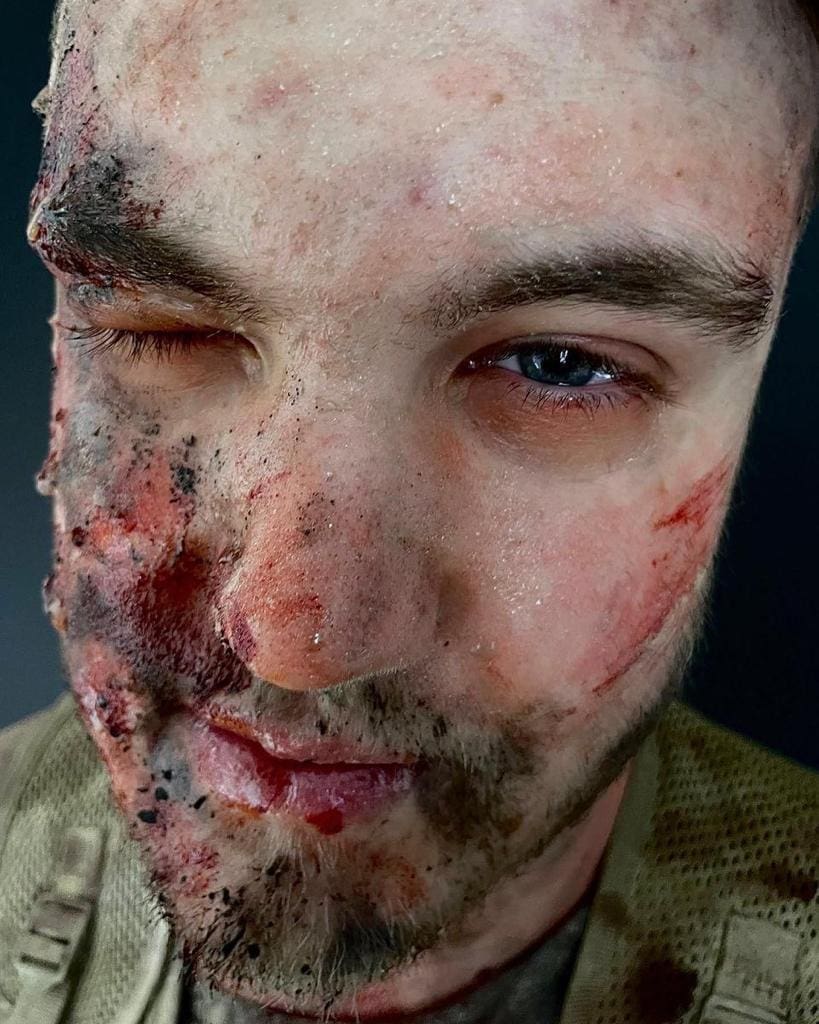
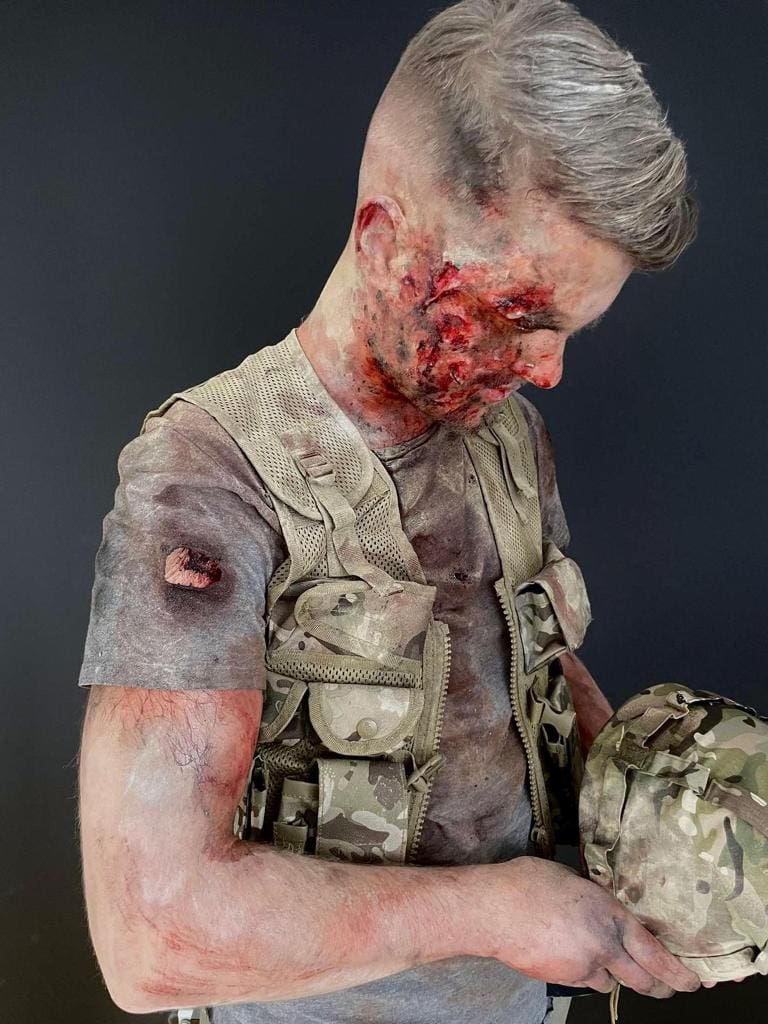
Creating realistic injuries, wounds, burns, and other trauma effects is a significant part of SFX makeup work. These effects are used in film, television, theatre, and also in medical and military training simulations. Materials used include silicone wound prosthetics, rigid collodion for scarring effects, wax for three-dimensional wounds, and a variety of blood products in different consistencies and colours.
Character and Creature Makeup
Character makeup transforms performers into specific characters, whether human or fantastical. Creature makeup takes this to its extreme, creating beings with no basis in reality. This requires exceptional sculptural ability, a deep understanding of anatomy, and considerable imagination.
Ageing Makeup
Making an actor appear significantly older uses techniques including stipple work, highlight and shadow, prosthetic appliances for sagging skin, and wig work for age-appropriate hair.
Essential Skills for Special Effects Makeup Artists
Becoming a successful SFX makeup artist requires a broad range of skills combining artistic ability with technical expertise.
Sculptural and Modelling Ability
Creating prosthetic appliances begins with sculpting the desired form in clay. The quality of the final prosthetic is directly determined by the quality of the sculpture, requiring an understanding of three-dimensional form and human anatomy.
Moulding and Casting
Once a sculpture is complete, it must be moulded and cast. This involves creating negative moulds using plaster, fibreglass, or silicone, then running the prosthetic piece in the chosen material.
Painting and Colouring
The painting of prosthetics is where artistic skill truly shines. SFX artists must understand skin tones, translucency, colour variation, and how light interacts with surfaces. They use airbrushing, stippling, and hand painting with alcohol-activated and silicone-based paints.
Application and Blending
Applying prosthetic pieces requires precision and patience. Edges must be blended seamlessly into natural skin, and the artist must know which adhesives to use in different situations.
Lifecasting
Lifecasting takes a mould directly from a living person’s face or body, ensuring prosthetics fit perfectly. This requires attention to subject comfort and technical precision.
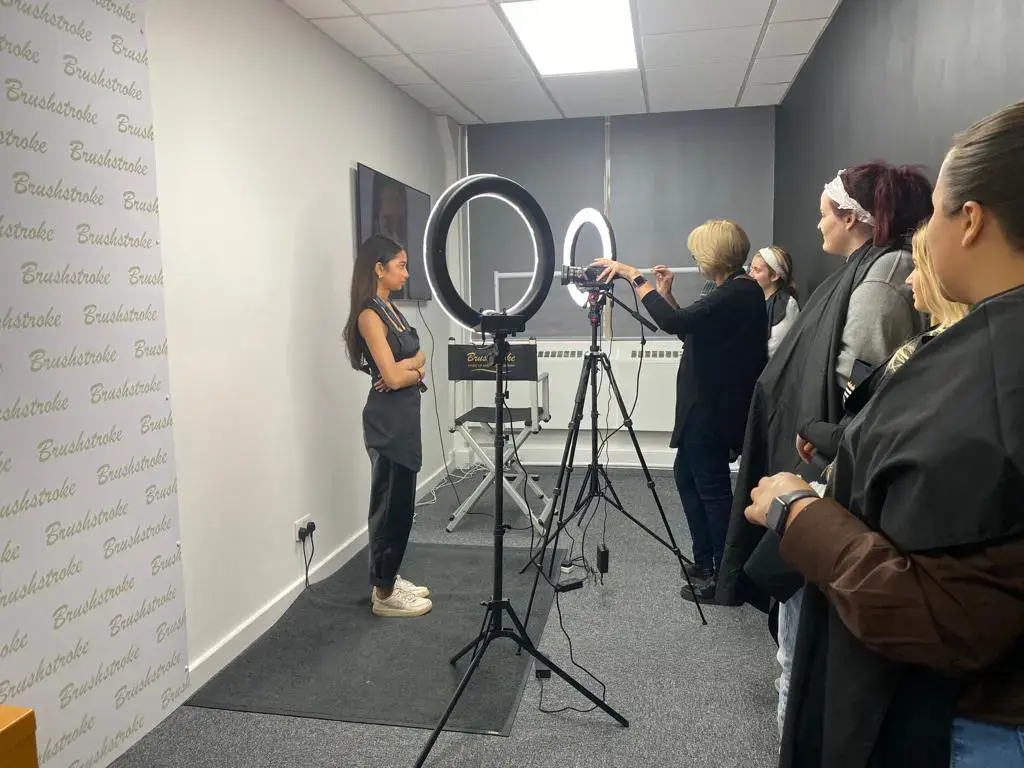
Where Do Special Effects Makeup Artists Work?
Film and Television
The largest employer of SFX artists. From major British studios such as Longcross Film Studios and Elstree Studios to independent productions, demand for skilled SFX professionals is constant.
Theatre and Live Performance
West End and regional theatre productions require SFX makeup for character transformations and fantastical creatures. Theatre makeup must work from audience distances and withstand stage lighting.
Commercial and Advertising
Advertising campaigns, music videos, fashion editorials, and corporate events provide work opportunities requiring creative effects.
Medical and Military Simulation
Realistic casualty simulations train doctors, paramedics, and military personnel. This growing sector offers consistent work.
How to Train as a Special Effects Makeup Artist
The most successful SFX professionals have completed formal training. Professional training provides structured learning, industry-standard materials, expert guidance, and invaluable networking opportunities.
Choosing the Right Training Programme
The curriculum should cover prosthetic creation, casualty effects, character makeup, and lifecasting. Training should be taught by working professionals with practical, hands-on work forming the majority of course content.
Training at a professional film studio provides an authentically industry-relevant experience. Brushstroke Makeup School offers its BTEC Level 3 Makeup and Hair Diploma from studios at both Longcross Film Studios and Elstree Studios in London, giving students the advantage of learning where major productions are created.
What to Expect from Professional SFX Training
A comprehensive programme takes you through foundational techniques before advancing to SFX work. You will learn sculpting, mould-making, running prosthetics in silicone, foam latex and gelatin, and application and painting to professional standards. Practical projects build a diverse portfolio demonstrating your abilities to employers.
Building Your Career in SFX Makeup
Develop Your Portfolio
Your portfolio is your most important marketing tool, showcasing prosthetic work, casualty effects, and character transformations. High-quality photography is essential.
Gain Experience Through Assisting
Many successful artists began by assisting experienced professionals on productions, gaining invaluable on-set experience.
Network and Stay Connected
The UK SFX industry is a close-knit community. Building professional relationships through industry events and maintaining connections with fellow graduates is essential.
Continue Your Education
SFX makeup evolves constantly with new materials and technologies. Commit to lifelong learning through courses, workshops, and experimentation.
The Future of Special Effects Makeup
Despite CGI advances, practical SFX makeup remains highly valued. Many directors prefer practical effects for their realism and the way they help actors connect with characters. The UK film industry is growing, with expanding studios and streaming platforms creating more opportunities than ever. For creative individuals passionate about transformation, SFX makeup offers an exciting and increasingly in-demand career.
Key Materials and Tools Used in SFX Makeup
Understanding the materials and tools of the trade is fundamental for any aspiring SFX makeup artist. The range of products available has expanded enormously in recent years, giving artists more options and capabilities than ever before.
Silicone
Platinum-cure silicone has become the industry standard for high-quality prosthetic appliances. Silicone prosthetics offer exceptional translucency, flexibility, and durability, making them ideal for close-up work on high-definition cameras. The material can be tinted and painted to achieve remarkably realistic skin effects. Working with silicone requires specific knowledge of mixing ratios, cure times, release agents, and application techniques, all of which are covered in comprehensive SFX training programmes.
Foam Latex
Foam latex has been a staple of prosthetic makeup for decades. It is lightweight, breathable, and comfortable for performers to wear for extended periods. Foam latex prosthetics are produced through a baking process that requires precise temperature and timing control. While silicone has become more prevalent in recent years, foam latex remains widely used, particularly for full-head and body prosthetics where weight and comfort are primary concerns.
Gelatin
Gelatin-based prosthetics offer a cost-effective alternative to silicone for certain applications. Gelatin has excellent translucency and can produce very realistic skin effects. It is particularly useful for student work, lower-budget productions, and situations where prosthetics need to be produced quickly. The material melts when heated and solidifies as it cools, making it relatively straightforward to work with once the basic techniques are mastered.
Sculpting Materials
Professional SFX artists use a variety of sculpting materials depending on the requirements of the project. Oil-based clays such as Chavant NSP are popular for prosthetic sculpting as they do not dry out and can be worked and refined over extended periods. Water-based clays are used for certain applications, and newer products such as wax-based sculpting materials offer their own advantages. Learning to work effectively with different sculpting materials is an essential part of SFX training.
Adhesives and Removers
The adhesives used to attach prosthetic appliances to performers are crucial to the success of any SFX makeup application. Medical-grade adhesives such as Pros-Aide and silicone-based adhesives each have different properties and are suited to different situations. An SFX artist must understand which adhesive to use for each material type, how to achieve secure and comfortable applications, and how to remove prosthetics safely without causing skin irritation or damage.
A Typical Day as an SFX Makeup Artist on Set
Working as an SFX makeup artist on a film or television set is a demanding but deeply rewarding experience. A typical day often begins very early in the morning, as prosthetic makeup applications can take several hours to complete and performers need to be ready before the cameras start rolling.
The morning begins with setting up the makeup station, laying out all the prosthetic pieces, adhesives, paints, and tools needed for the day. The artist then works methodically through the application process, adhering prosthetic pieces, blending edges, and painting the finished application to match the character design. Throughout the day, the artist remains on set to perform touch-ups, repairs, and adjustments as needed between takes and setups.
At the end of the shooting day, the artist carefully removes all prosthetics from the performer, cleans and conditions the skin, and prepares materials for the following day. The work requires stamina, attention to detail, and the ability to maintain high standards even during long and tiring days. However, the satisfaction of seeing your work on screen and contributing to the storytelling process makes it all worthwhile.
SFX Makeup in the UK Film Industry
The United Kingdom has a long and proud tradition of excellence in special effects makeup. British SFX artists have been at the forefront of the industry for decades, contributing to some of the most iconic character makeups and creature effects in cinema history. Today, the UK remains a global hub for SFX makeup work, with major film studios including Pinewood, Shepperton, Longcross, and Elstree hosting productions that require skilled SFX professionals.
The growth of streaming platforms has significantly increased the volume of production work in the UK, creating more opportunities for SFX makeup artists than at any previous point. Tax incentives for film and television production have also attracted international productions to British studios, further expanding the demand for local talent. Training at a school based within this thriving production ecosystem, such as Brushstroke Makeup School at Longcross Film Studios and Elstree Studios, provides students with direct exposure to the professional environment they will be working in after graduation.
Whether you are a school leaver considering your career options, a creative professional looking to change direction, or someone who has always been fascinated by the art of transformation, special effects makeup offers a career path that is as challenging as it is rewarding. With the right training, dedication, and passion, you can develop the skills needed to bring characters and creatures to life, contribute to the storytelling process, and build a fulfilling career in one of the most creative and dynamic areas of the entertainment industry.
Contact Brushstroke Makeup School to discover how our BTEC Level 3 Makeup and Hair Diploma can launch your SFX career.
The best way to understand the work is to see it in person. Brushstroke has trained makeup artists inside Elstree and Longcross studios for over thirty five years, and a visit lets you watch the training up close.
Further reading
Training into special effects makeup.
Wounds, scars and creature looks for Halloween.
What an SFX makeup artist actually does.
A short taster of special effects makeup.