
How Do You Build a Freelance Makeup Business?
If you are looking at freelance makeup artist jobs and how to start out on your own, this covers the business side most training skips. Being a brilliant makeup artist is only half of a freelance career. The other half is running a business, and plenty of talented artists struggle not because of their work but because nobody taught them how to find clients, price their time or keep the whole thing afloat. This guide covers the practical side of going freelance, from winning work and setting rates to the admin and the income swings, so the talent has a business to stand on.
Want to see how it all works in person? A visit lets you look around the studios and meet the tutors before you commit to anything.
What does going freelance actually mean?
Going freelance means becoming the artist and the business at the same time. You no longer have an employer finding the work, setting the schedule and handling the money, so all of that becomes yours. That is the freedom people want from freelancing, the ability to choose your work, your rates and your direction, and it is also the responsibility that catches people out. Understanding from the start that you are running a small business, not just doing makeup, is what separates the artists who make it work from the ones who burn out chasing jobs that never quite add up.

How do you find clients?
Word of mouth and referrals
Recommendations are the most valuable source of work a freelance artist has, because a happy client who tells a friend has already done your selling for you. Looking after every booking as if it might lead to three more is the quiet engine of a freelance business, and over time referrals become the steady base that keeps the diary full.
Social media and your portfolio
A strong online presence is how many clients find you now, so a well run Instagram and a clean portfolio earn their keep. They let people see your work, judge whether it fits their job and reach you easily, which is a core part of getting work as a makeup artist. Consistency matters more than constant posting, since a tidy, current feed says more than a busy, scattered one.
Networking and assisting
The industry runs on relationships, so the people you meet become the work you get. Assisting established artists, staying in touch with photographers and stylists, and being easy to work with all bring future bookings. A lot of freelance work never reaches an advert, it passes quietly between people who know and trust each other.
Agencies and partnerships
As you grow, agencies can bring higher paid and more regular work, though they sign artists whose portfolios and reputations already show promise. Partnerships with wedding venues, photographers and planners can do the same on a local level, sending a steady flow of the kind of work you want most.
How should you price your work?
Know your real costs
Pricing starts with understanding what it actually costs you to work, since a freelance fee has to cover far more than your time. Kit, travel, insurance, admin, quiet periods and the tax you owe all come out of what you charge, so a rate that looks healthy can leave little behind once the costs are paid. Knowing your numbers is the foundation of pricing with confidence.
Day rates and per look pricing
Different work suits different pricing. A wedding might be charged per person or as a package, a shoot as a day rate, an event by the hour, and part of the craft is matching the structure to the job so you are paid fairly for your time. Clarity up front, with everything agreed in writing, avoids the awkward conversations later.
Do not undersell yourself
New artists often price too low out of nerves, and it is a hard habit to undo. Rates that are too cheap attract the wrong clients, signal a lack of confidence and trap you in a cycle of overwork for too little. Charging fairly for professional work, and raising your rates as your reputation grows, is part of running a serious business.

What about the boring business bits?
The unglamorous admin is what keeps a freelance career legal, solvent and calm. Invoicing promptly, keeping records, putting money aside for tax, sorting public liability insurance and using simple written agreements for bookings all protect you and your income. None of it is difficult once it is set up, but ignoring it is how artists end up with cash flow trouble or a nasty surprise at tax time. A little system early on saves a great deal of stress later.
It helps to treat your kit and your costs as part of the business too. Tracking what you spend, keeping receipts and understanding what you can claim turns the necessary expense of working into something managed rather than guessed at. The artists who stay relaxed about money are usually the ones who kept the admin tidy from the beginning.
How do you market yourself?
Marketing for a makeup artist is mostly about being visible and being trusted. A current portfolio, an active and tidy social presence, genuine reviews and a clear sense of what you offer do most of the work. Beyond that, simply being known in your area or your niche, through other suppliers, past clients and word of mouth, brings in more work than any advert. Consistency and reliability are themselves a form of marketing, since the artist people can count on is the one they recommend.
How do you keep clients coming back?
Winning a client is only the start, because the real value of a freelance business sits in the people who book you again and send others your way. Repeat work costs nothing to win and arrives without the effort of chasing, so looking after every client as if the next booking depends on it, because it often does, is some of the smartest business you can do.
Keeping clients close is mostly the obvious things done consistently. Turning up on time and well prepared, delivering what you promised, being calm and pleasant to deal with, and following up afterwards all leave people glad they chose you. Those small, reliable habits build the reputation that quietly fills a diary, and they cost far less than constantly finding strangers to replace clients you failed to keep.
It is worth staying in gentle contact too, so past clients remember you when the next occasion comes around. A business built on relationships rewards the artist who nurtures them rather than treating every job as a one off.
How do you handle the income ups and downs?
Irregular income is the part of freelancing that unsettles people most, and the answer is to plan for it rather than be surprised by it. Busy months have to cover the quiet ones, so putting money aside in good periods, knowing your seasonal patterns and keeping a buffer all smooth out the bumps. Bridal has its season, screen work comes in contracts, and understanding the rhythm of your own corner of the industry lets you ride it rather than panic through it.
It also helps to keep an eye on what the work actually pays once costs are stripped out, which is closely tied to how a makeup artist earns across different sectors. A clear view of your real income is what lets you make calm decisions about rates, niches and how hard to chase the quieter months.
Where do training and credibility come in?
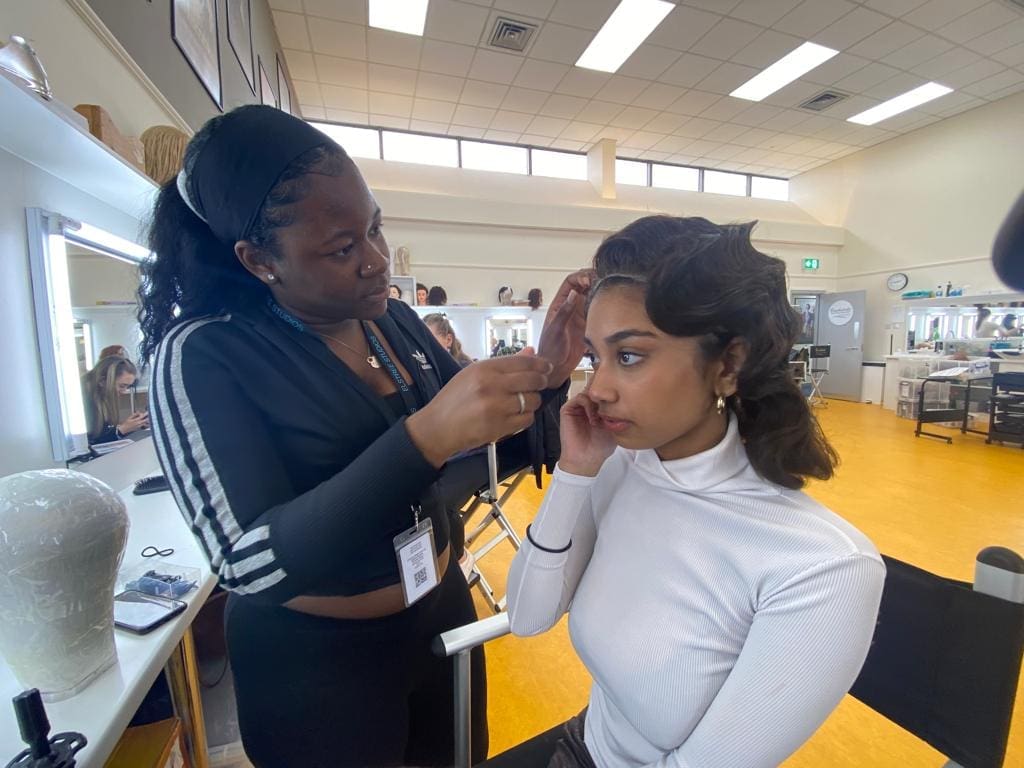
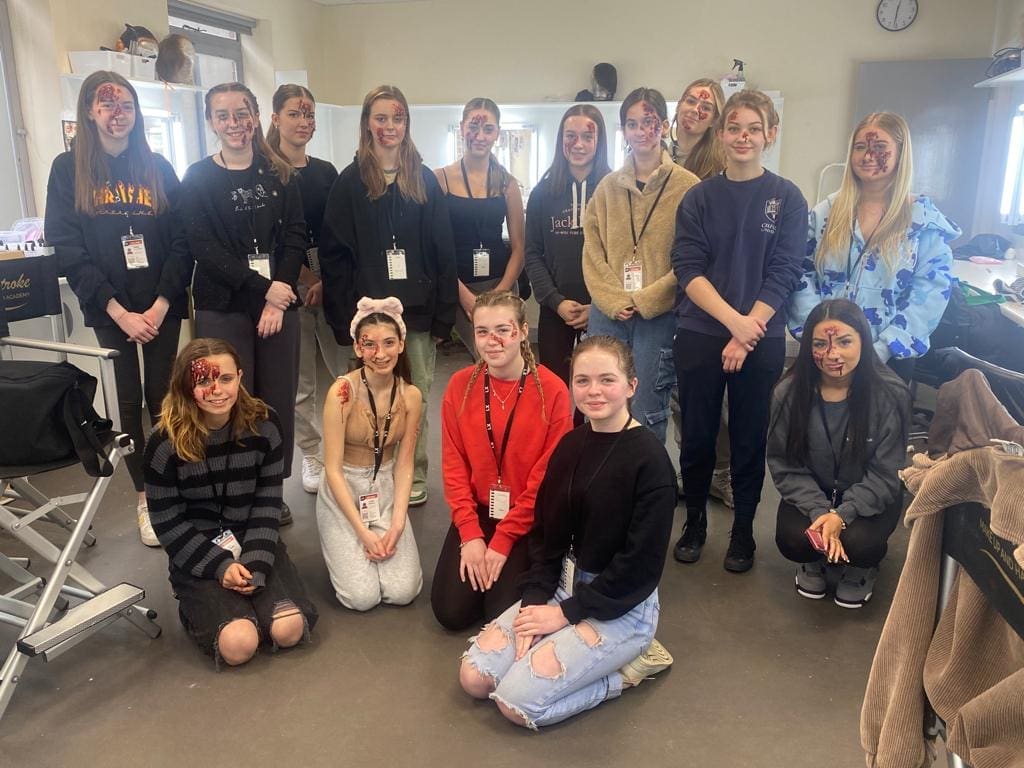
A freelance business stands on the quality of the work, so the training behind it underpins everything else. Strong skills and a recognised qualification let you charge professional rates, win trust and take on better work, and the portfolio and contacts built during good training give a new business its first foothold. Brushstroke has trained makeup artists inside Elstree and Longcross studios for over thirty five years, and the two year diploma and 7 month diploma build both the craft and the grounding a freelance career needs. Coming to see the studios is the best way to picture it.
Frequently Asked Questions
How do freelance makeup artists find clients?
Mostly through referrals, social media, a strong portfolio and the relationships built across the industry. Word of mouth from happy clients is the most valuable source of all, with agencies and local partnerships adding to it as a business grows.
How much should a freelance makeup artist charge?
Enough to cover your time and all your costs, from kit and travel to tax and quiet periods, with a fair professional margin on top. Rates vary by sector and experience, and they should rise as your reputation grows rather than staying fixed.
Do you need insurance to be a freelance makeup artist?
Public liability insurance is strongly advised, since you work closely on people’s skin and many venues and clients expect it. It is an inexpensive and sensible part of running yourself as a professional business.
Is being a freelance makeup artist worth it?
For many artists, yes, as it offers freedom, variety and a higher earning ceiling than employed work. It comes with irregular income and the responsibility of running a business, so it suits those who are happy to take that on alongside the makeup.
How do you deal with quiet periods as a freelancer?
By planning for them. Saving in busy months, understanding your seasonal patterns and keeping a financial buffer smooth out the gaps, and using quiet time to market yourself, build your portfolio and develop new skills keeps the business moving.
What is a freelance makeup artist?
A freelance makeup artist works for themselves, taking bookings directly or through agencies rather than holding a single salaried job. You choose your own clients and rates, and you also run the business side, from invoicing to insurance.
How do you start as a freelance makeup artist?
Train to a professional standard, build a portfolio from tests and early jobs, then set up the basics of a business: insurance, simple pricing, and a way for clients to find and book you. Most artists start part time alongside other work and grow from there.
Where are freelance makeup artist jobs found?
Work comes from agencies, photographers, stylists, wedding clients and production contacts, as well as your own social media and word of mouth. In cities such as London there is more regular freelance work, but reputation and reliability travel anywhere.
Further reading
Finding and landing your first jobs.
What makeup artists really earn across the UK.
Where makeup training can take your career.
The complete route into professional makeup.