

How Do You Build a Makeup Artist Portfolio?
If you are putting together a makeup artist portfolio and looking for examples of what a strong one includes, this guide walks you through it. A portfolio is the single most important tool a makeup artist owns. It is the thing clients and productions actually judge you on, far more than a certificate or a list of courses, and a strong one quietly wins work while a weak one loses it before you ever get a conversation. This guide covers what to put in a portfolio, how to build the images, how to present them, and how to keep the whole thing working for you.
Want to see how it all works in person? A visit lets you look around the studios and meet the tutors before you commit to anything.

Why does a portfolio matter so much?
In makeup, what you can do matters more than what you can say, and a portfolio is the proof. It shows your range, your finish and your eye in a way no description ever could, and it lets the person hiring picture you on their job. A bride wants to see brides. A magazine wants to see editorial. A production wants to see that you can hold a look together under proper scrutiny. The portfolio answers all of that before you say a word.
It is also the great leveller. A new artist with a sharp, well shot portfolio can win work over someone more experienced whose images do not sell them. The flip side is just as true, which is why building it deserves real effort rather than a few phone snaps gathered as an afterthought.
What should a makeup portfolio include?
Range and versatility
A good portfolio shows you can work across looks, skin tones and styles rather than repeating one trick. Soft natural beauty, bold colour, a clean bridal look, something with an edge, all show a client you can adapt to their brief rather than bend every job toward your comfort zone. Versatility is what turns a one off booking into a steady stream of them.
Technical quality
The makeup has to be flawless, but so does everything around it. Good photography, decent lighting and clean retouching are what let your work read properly, because a beautiful look shot badly looks like bad work. This is why the team you shoot with matters almost as much as the makeup itself.
A clear point of view
The strongest portfolios feel like they belong to a person, not a stock library. A consistent sensibility, a way of seeing a face, a signature you return to, all make you memorable in a stack of similar folios. Skill gets you considered. A point of view gets you remembered.
The work you want more of
People hire you for what they see, so fill the portfolio with the jobs you actually want. If you want bridal, lead with bridal. If you want editorial, build editorial even before anyone pays you for it. A portfolio aimed at the work you want is a quiet but powerful way of steering your whole career.

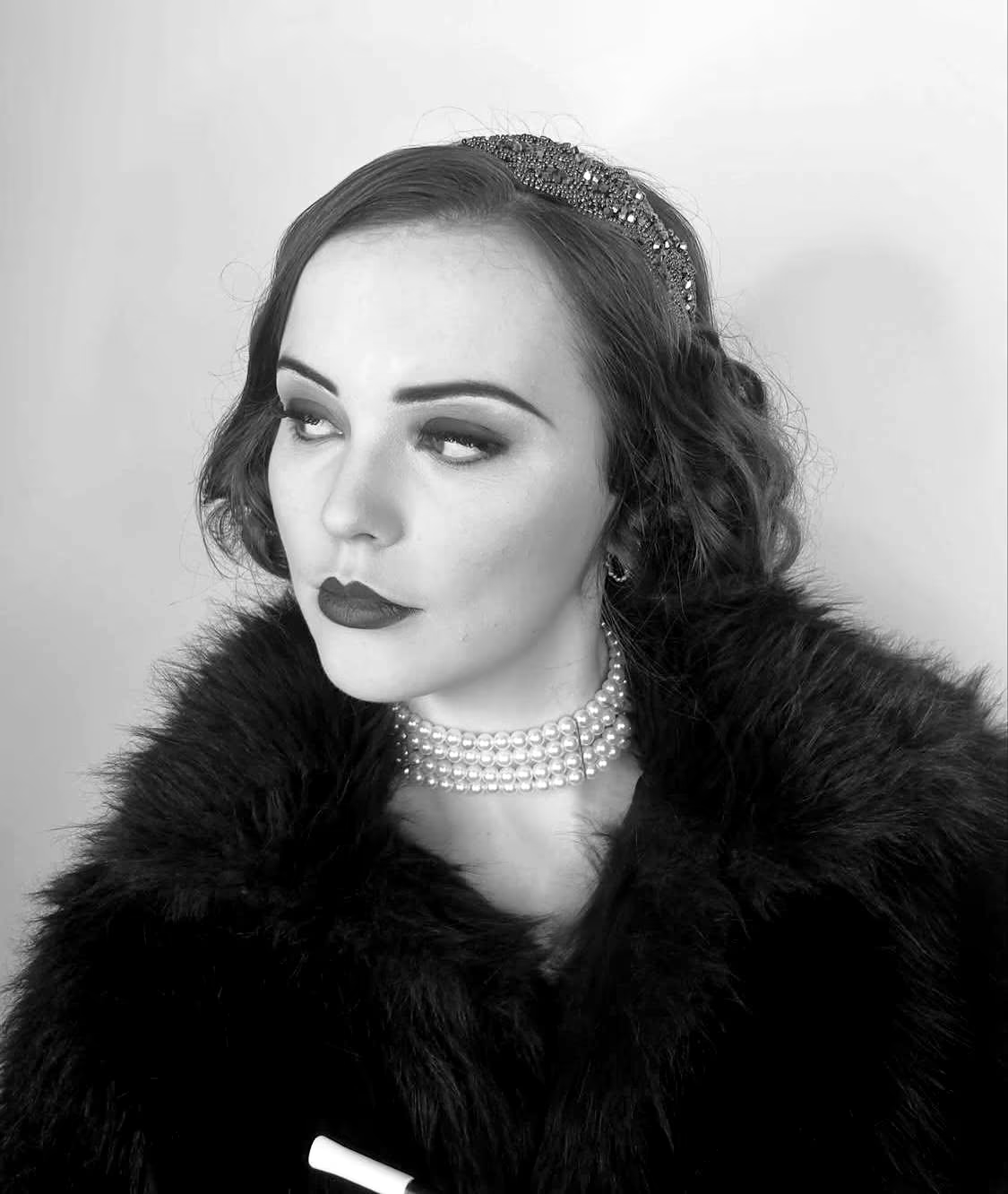
How do you actually build the images?
Test shoots and collaboration
Most early portfolio work comes from testing, where a photographer, model, stylist and makeup artist team up to create images everyone can use. Nobody pays anyone, everyone gains a portfolio, and you learn to work as part of a creative team. It is the backbone of how new artists build a body of work, and it never really stops being useful.
Building a team around you
The people you collaborate with shape the quality of your folio, so choose them with care. A photographer whose lighting flatters your work, models who suit the looks, a stylist with taste, all lift the final images. Good collaborators also recommend you, and a lot of early paid work comes through the team you built while testing for free.
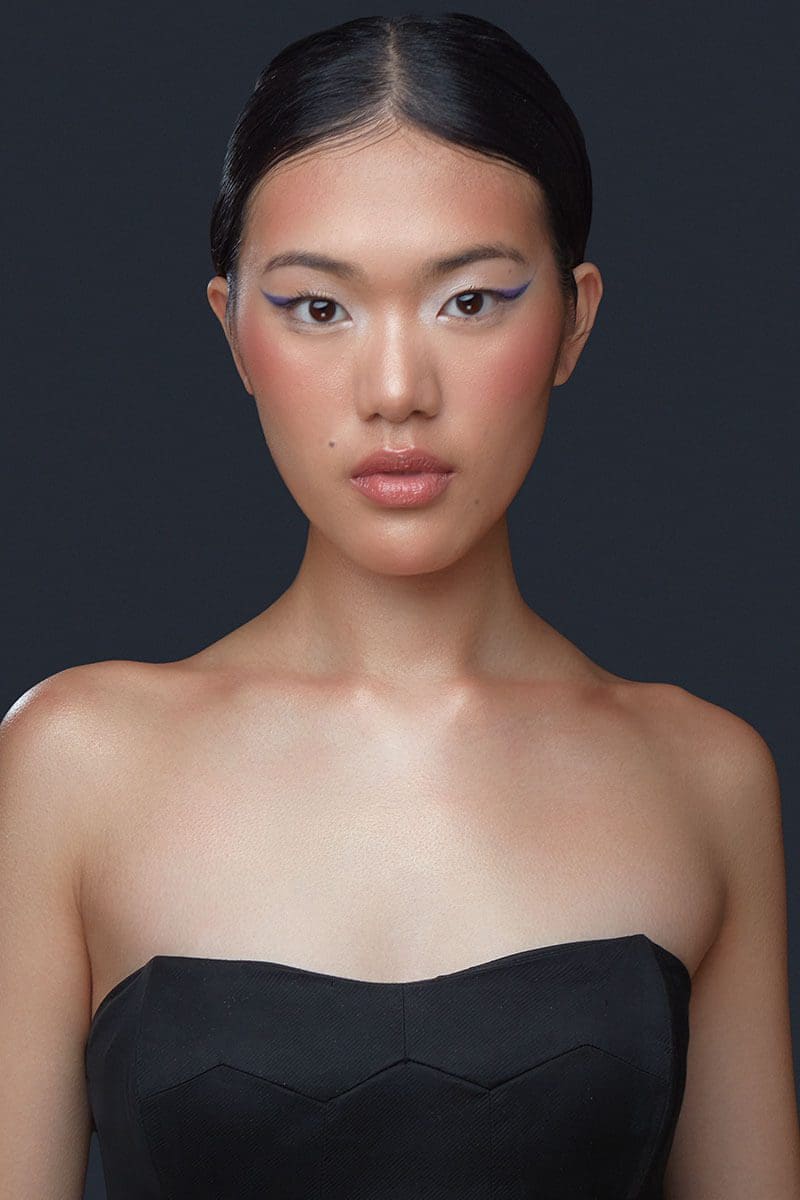
How should you present your portfolio?
Most of your portfolio will live online, so a clean website and a well curated Instagram are essential. Keep the presentation simple and let the work speak, with images large, consistent and uncluttered by clutter and logos. A tidy digital presence is also how clients find you in the first place, which is part of getting work as a makeup artist.
A physical book still earns its place for in person meetings and certain kinds of work, where flicking through printed images carries a weight a phone screen does not. Whatever the format, curation beats volume every time. Twenty strong images sell you. Sixty mixed ones bury the good work and make a client wonder which version of you turns up.
How many looks should a portfolio have?
Fewer than you think, and all of them strong. A tight edit of your best work always beats a sprawling gallery, because a portfolio is only ever as good as its weakest image. If a shot is not pulling its weight, cut it. The job of the folio is to leave a client certain, and one mediocre image is enough to plant a doubt.
How do you keep a portfolio working?
A portfolio is never finished. Refresh it as your work improves, retire older images that no longer match your standard, and tailor what you show to the job in front of you. Sending a bridal client your edgiest editorial helps nobody. Curate for the audience, keep it current, and it stays the hardest working tool you own.
It is worth thinking about the kind of career you are building as you shape it, because the looks that fill a strong screen folio differ from a bridal or fashion one. Our overview of the careers in makeup is a useful place to picture where you want the work to go.
What mistakes hold a portfolio back?
The most common is volume over quality. New artists often show everything they have ever done, and the weak images drag the strong ones down with them. A client remembers the worst shot as much as the best, so a ruthless edit almost always makes a portfolio stronger, even when it makes it shorter.
Another is a folio with no focus. One that tries to show bridal, editorial, special effects and everything in between can leave a client unsure what you actually do. It is usually better to lead clearly with the work you want, and keep the wider range as supporting evidence rather than the headline.
Poor photography is a quiet killer. Beautiful makeup shot in bad light, with harsh edits or distracting backgrounds, simply reads as bad work, because the viewer cannot separate the makeup from the image. This is why the team you test with matters so much, and why one strong shoot beats five rushed ones.
A stale portfolio works against you too. Looks date, standards rise, and a folio full of work from three years ago suggests an artist who has stopped growing. Keeping it current signals the opposite, that you are working, improving and worth booking now. None of these are hard to fix. They simply take honesty about your own work and the discipline to cut what no longer earns its place.
Where does training come in?
Good training does more than teach technique, it sends you out with a portfolio already started. Brushstroke has trained makeup artists inside Elstree and Longcross studios for over thirty five years, and the course work, shoots and contacts built along the way give you real images and real collaborators from the start. The two year diploma and 7 month diploma both build a body of work as you learn. The best way to see how is to visit the studios.
Frequently Asked Questions
How many images should a makeup portfolio have?
Aim for a tight edit of your strongest work rather than a fixed number, often somewhere around fifteen to twenty five images. Every shot should earn its place, because a portfolio is judged by its weakest image as much as its best.
Do makeup artists need a website?
A simple website helps, as it gives clients a professional place to find and judge your work, but a well run Instagram does a lot of the same job. Most artists use both, with the website as the polished shop window and social media as the living feed.
How do you build a portfolio with no experience?
Through test shoots, where photographers, models and stylists collaborate to make images everyone can use. It costs time rather than money, builds your folio and your contacts at once, and is how almost every artist starts.
Should beginners pay photographers for portfolio shoots?
Often you do not need to, because testing is a fair exchange where everyone gains images. As you grow you may pay for specific shoots to get exactly the look you want, but collaboration carries most new artists a long way first.
How often should you update a portfolio?
Whenever your work improves or a new strong image comes in. Refresh regularly, retire anything that no longer meets your standard, and tailor the selection to the kind of work you are chasing.
What should a makeup portfolio look like?
A strong makeup portfolio looks like a tight edit of your best work, shot well, showing range across clean beauty, character and any specialism you want to be booked for. Examples that work tend to lead with a signature look and leave out filler, because quality and consistency win jobs far more than sheer numbers.
How do you make a makeup portfolio?
Start by shooting a handful of strong looks with a decent photographer, then build from real jobs and tests as they come in. Keep a digital version you can send as a PDF or a link, plus a simple website or social page so clients can find your work, and refine it as your standard rises.
Should a makeup portfolio be a physical book or online?
Most work now starts from an online portfolio or a PDF you can send quickly, so that is the priority. A physical portfolio book still helps for in person meetings and interviews, so it is worth having both once your work justifies it.
Further reading
Finding and landing your first jobs.
Where makeup training can take your career.
Breaking into editorial and runway makeup.
The complete route into professional makeup.