What Does a Fashion Makeup Artist Do?
If you want to become a fashion makeup artist and understand the jobs, from editorial shoots to a fashion show backstage, this lays out the route. Fashion makeup is where makeup meets art direction. It runs across editorial shoots, runway shows, advertising campaigns and lookbooks, and it is led by a concept as much as by a face. The work is creative, trend aware and fast, built around collaboration with photographers, stylists and designers, and shaped for the camera or the catwalk rather than the street. This guide covers what fashion makeup involves, where the work sits, the skills it asks for and how to break in.
Want to see how it all works in person? A visit lets you look around the studios and meet the tutors before you commit to anything.

What is fashion makeup, really?
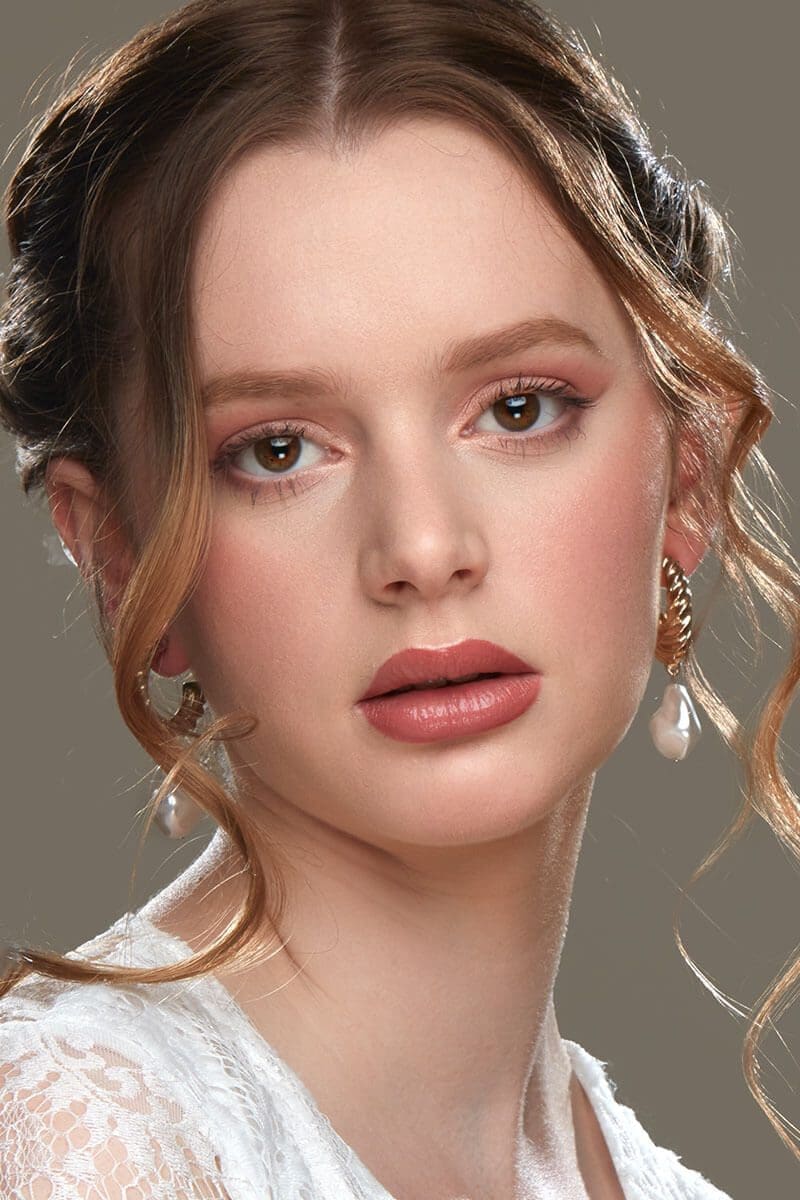
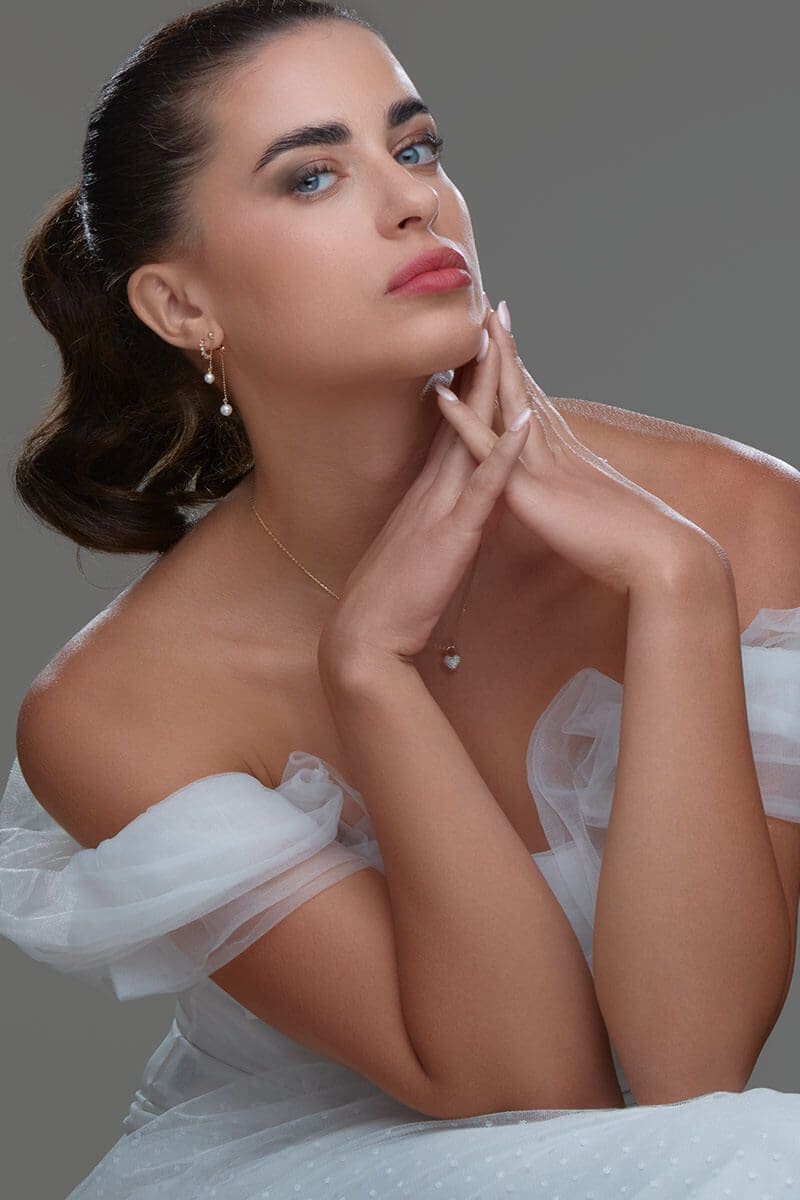
Fashion makeup serves an idea. Where bridal or everyday makeup aims to make a person look like the best version of themselves, fashion makeup answers a brief, a story, a season or a designer’s vision, and the face becomes part of a larger image. That might mean flawless, near invisible skin for a beauty campaign, or something bold and conceptual that would never leave a studio. The common thread is that the look exists to serve the picture.
It is also a deeply collaborative craft. A fashion artist rarely works alone, instead joining a team of photographer, stylist, hair, set and art director, all pulling toward one image. Knowing how to fit into that team, take direction and contribute ideas without taking over is as much a part of the job as the makeup itself.
Where do fashion makeup artists work?
Editorial and magazines
Editorial work, the shoots that fill magazines and their websites, is where a lot of creative fashion makeup lives. It rarely pays the best, but it builds reputation, relationships and the kind of portfolio that wins better paid work, which is why so many artists chase it throughout their careers.
Runway and shows
Fashion week and designer shows need artists who can deliver a single look across a long line of models, fast, consistently and exactly to a brief. It is intense, high pressure team work against the clock, and a thrilling place to be for anyone who loves the energy of live fashion.
Advertising and campaigns
Brand campaigns and advertising are where the strongest money sits. The work is more commercial and more controlled, with looks built to sell a product and to survive heavy retouching and scrutiny. It rewards reliability and polish as much as flair.
Lookbooks and e-commerce
Lookbooks and online retail shoots are the steady, everyday engine of fashion work. The makeup is often clean and commercial rather than wild, but the volume is high and the work is consistent, making it a dependable part of many fashion artists’ income.
What makes fashion makeup different?
Concept led and trend aware
Fashion artists work to a creative idea and have to keep pace with where style is heading. Following trends, anticipating them and sometimes setting them is part of the job, so a real fascination with fashion, art and culture sits behind the technical skill.
Camera and catwalk ready
The work is built to be seen through a lens or at speed on a runway, not in a mirror. That changes everything about how a look is constructed, from the products chosen to the way skin is finished, so it reads correctly in the final image rather than just up close.
Fast and collaborative
Shoots and shows run on tight schedules, and the artist is one part of a bigger machine. Working quickly, taking direction and slotting into a team without friction are essential, because a fashion set has no patience for someone who slows it down.

How do you break into fashion makeup?
Fashion is built on relationships and proof, so the route in runs through assisting, testing and a sharp portfolio. Assisting established artists teaches you how real sets work and puts you in front of the people who hire. Testing with photographers and stylists builds the editorial images that show what you can do, and over time those relationships turn into bookings. Agencies represent the more established artists, but they sign people whose folios and contacts already show promise, so the early graft comes first. It all sits within the wider picture of working in fashion.
Persistence matters more than almost anything. Fashion is competitive and the early years can be lean, with a lot of unpaid testing before the paid work follows. The artists who make it are usually the ones who kept building, kept turning up and kept improving their book while others drifted away.
What is the pay and lifestyle like?
Fashion makeup income is uneven, especially early on. Editorial often pays little or nothing while you build a name, campaigns and advertising pay well, and steady lookbook and commercial work fills the gaps between. The lifestyle is freelance, irregular and sometimes glamorous, with early starts, travel and long days on set. It suits people who thrive on variety and creativity and can handle the financial ups and downs that come with it.
What is a fashion shoot actually like?
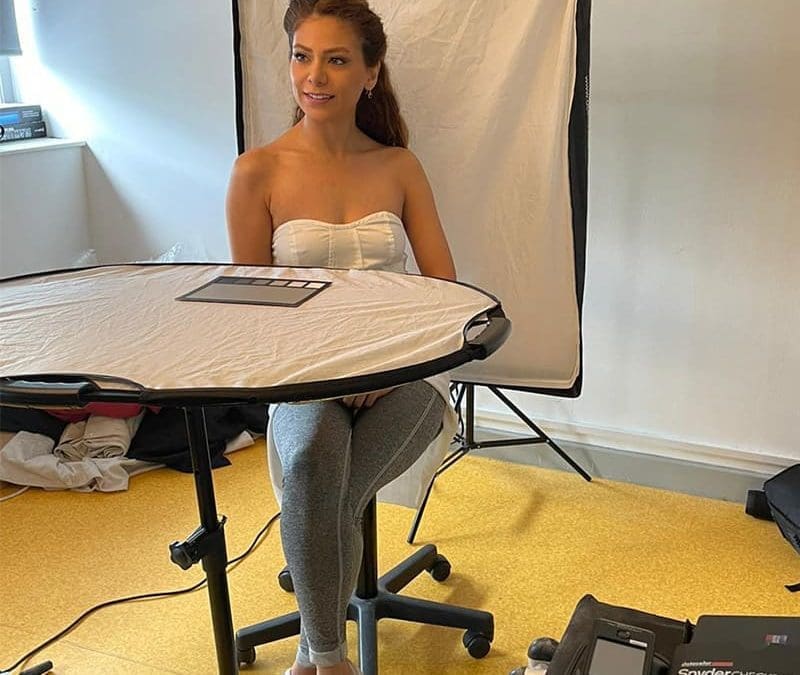
A fashion shoot can look glamorous from the outside and feel like hard, fast work from the inside. Call times are early, days are long, and the makeup artist is one specialist among many, all working to bring a single image to life. You arrive with your kit prepared, talk through the concept with the photographer and stylist, and then deliver looks at the pace the schedule demands.
Collaboration sits at the centre of it. The art director has a vision, the stylist is dressing the story, the hair artist is shaping the silhouette, and your makeup has to sit inside all of that rather than compete with it. The best fashion artists listen well, offer ideas at the right moment, and adapt quickly when the brief shifts on the day, which it often does.
Speed without panic is the skill that marks out a professional. You may have many looks to create in a limited window, with the light fading or a studio booked by the hour, so you learn to work cleanly and quickly while keeping the quality high. Falling behind on a fashion set has a knock on effect on the whole team, and people remember who slowed the day down.
There is also a lot of waiting, which surprises people. Shoots involve setting up, resetting, changing looks and technical delays, so an artist spends real time on standby, ready to step in for touch ups the moment they are needed. Patience and a calm presence are as valuable as any brush.
When it all comes together, the reward is a set of images you are proud to put in your book and a team who want to work with you again. In fashion, those repeat relationships are the career, far more than any single job, which is why how you are to work with matters as much as how good your makeup is.
Where does training come in?
Strong fashion artists pair creativity with proper technical grounding, and that is what good training gives you. Brushstroke has trained makeup artists inside Elstree and Longcross studios for over thirty five years, teaching the camera ready skills, the breadth and the professionalism that fashion work demands, alongside the shoots and contacts that start a portfolio. The two year diploma and 7 month diploma both build that foundation. Visiting the studios is the clearest way to see how.
Frequently Asked Questions
What does a fashion makeup artist do?
They create makeup looks for editorial shoots, runway shows, campaigns and lookbooks, working to a creative brief as part of a team of photographers, stylists and designers. The look serves the image rather than simply flattering the person.
How do you become a fashion makeup artist?
Through training, assisting established artists, testing to build an editorial portfolio, and slowly turning relationships into bookings. A strong, current portfolio and persistence matter more than any single qualification.
Do fashion makeup artists make good money?
It varies widely. Editorial often pays little, while advertising and campaign work pays well, and commercial shoots provide steady income in between. The best paid artists combine creative reputation with reliable commercial work.
Is fashion makeup hard to get into?
It is competitive and the early years can be lean, with plenty of unpaid testing first. Those who persist, keep improving their portfolio and build genuine relationships are the ones who break through.
What skills do fashion makeup artists need?
Strong, camera ready technique, an eye for concept and trend, speed, and the ability to collaborate and take direction. A real interest in fashion and culture sits behind the technical craft, since so much of the job is reading where style is heading and bringing your own eye to a brief rather than simply executing someone else’s. That instinct, paired with reliable craft and a calm presence on set, is what keeps a fashion artist in steady demand.
What jobs do fashion makeup artists do?
Fashion makeup artist jobs span editorial shoots for magazines, advertising campaigns, lookbooks and runway shows. Most are freelance and booked through agencies, photographers and stylists, so the work is varied and built on relationships.
How do you get backstage at a fashion show?
Runway work usually starts by assisting a lead artist, often unpaid at first, to learn the pace and the key looks. Strong assisting, reliability and a relevant portfolio are how you get asked back and earn a place on the team.
What training helps you into fashion makeup?
A professional Level 3 makeup training grounds you in the core skills, and from there fashion is built on testing, editorial shoots and a portfolio that shows a clear creative eye. Courses help, but the work and the contacts are what open doors.
Further reading
Working in the fashion makeup industry.
Building a portfolio that gets you hired.
Where makeup training can take your career.
The complete route into professional makeup.