
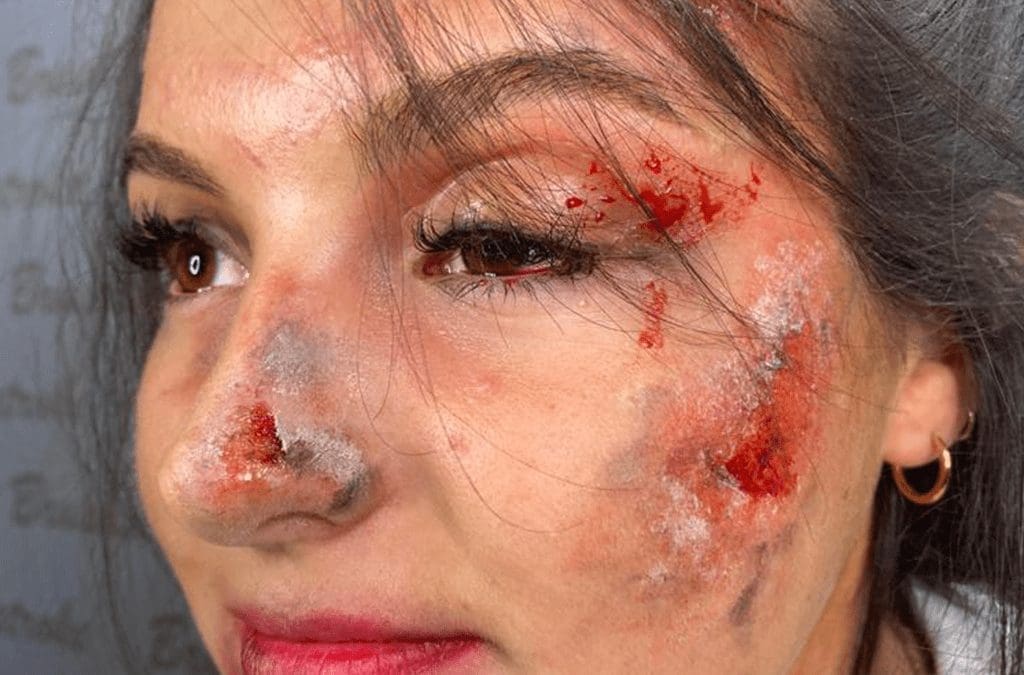
How Do You Become an SFX Makeup Artist?
If you want to become a special effects makeup artist, and understand the courses, kit and jobs involved, this lays out the path. Special effects makeup is one of the most exciting corners of the craft, turning actors into creatures, building convincing wounds and bringing imagined worlds to life on screen and stage. It is technical, hands on and hugely rewarding, and it asks for a particular mix of artistry and craft skill. There is no single path in, but there is a clear progression for those who want it. This guide explains what an SFX artist does, the skills it takes, how to train and what the career really looks like.
Want to see how it all works in person? A visit lets you look around the studios and meet the tutors before you commit to anything.
What does an SFX makeup artist do?
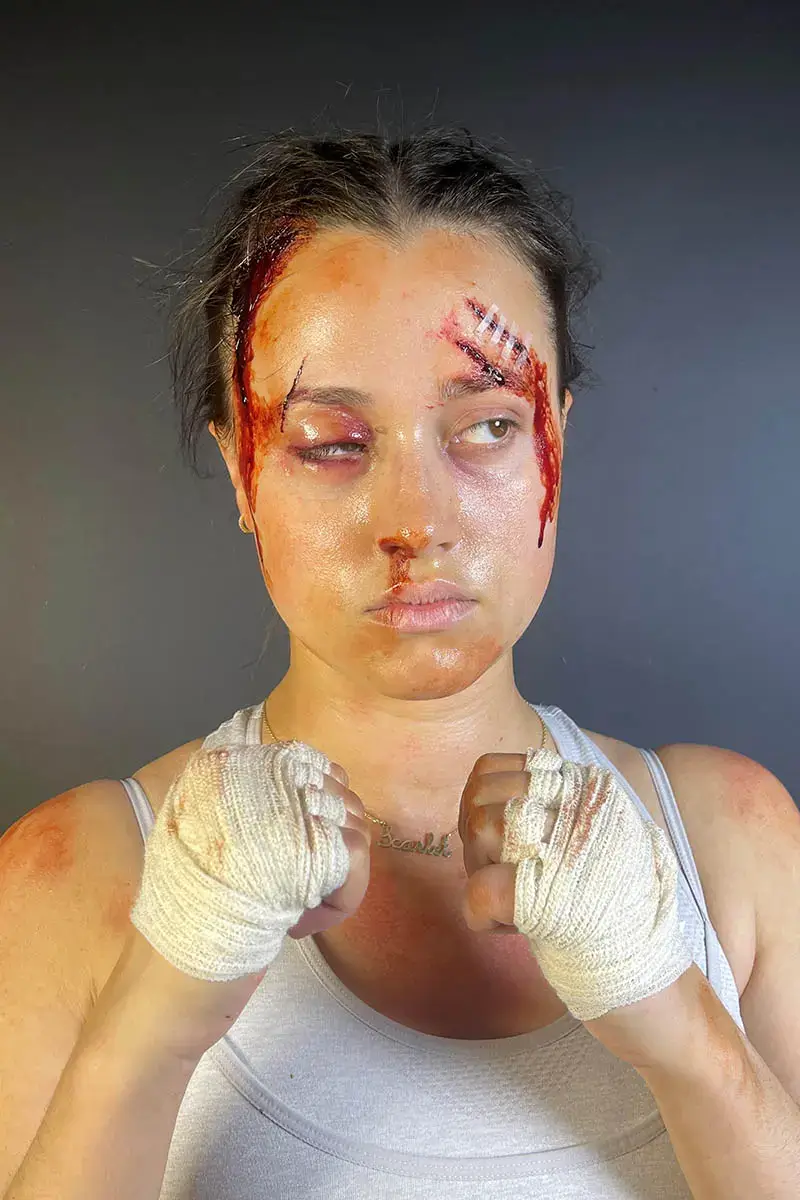
A special effects artist changes how someone looks far beyond ordinary makeup, creating wounds, scars, ageing, creatures and full transformations for film, television, theatre and more. The work blends sculpting, mould making, prosthetics, painting and a deep understanding of how skin and injury behave, often combining several of these on a single look. It runs from a subtle, believable cut to an entirely new face built from prosthetic pieces, and we cover the basics of the craft in what special effects makeup involves. Whatever the scale, the goal is the same, to make something unreal look completely convincing.
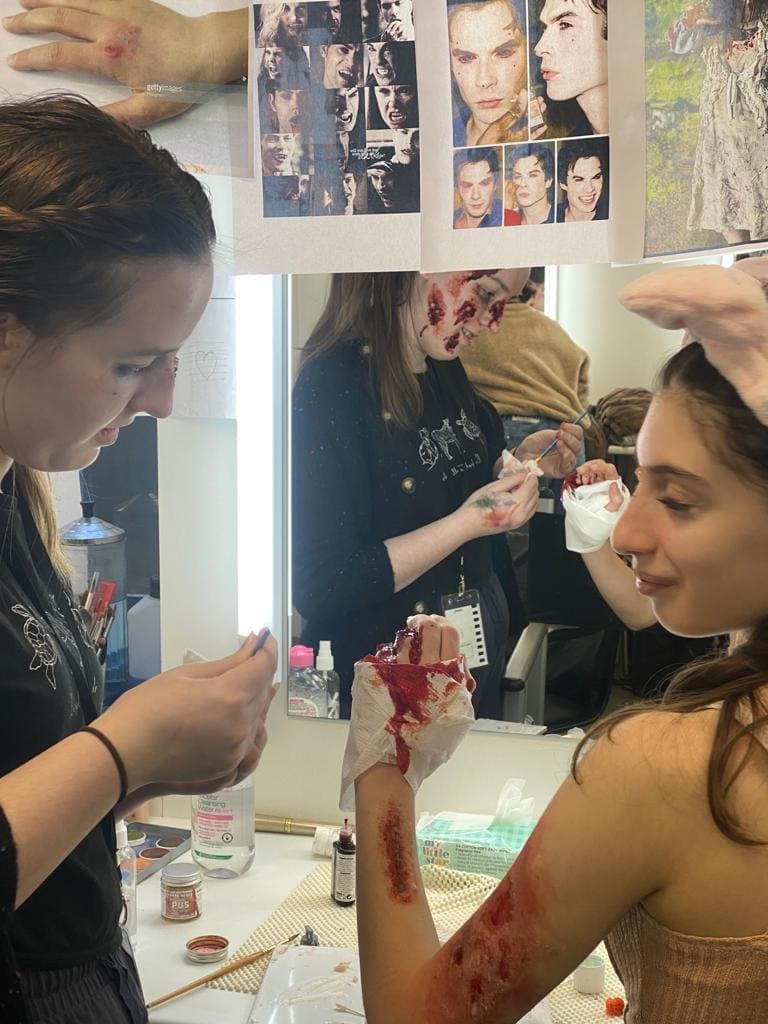
What skills does SFX makeup require?
Sculpting and mould making
Much serious effects work begins long before anything touches an actor, with sculpting and mould making in the workshop. Prosthetic pieces are sculpted by hand, then moulded and cast, so a feel for three dimensional form and the patience for careful workshop craft are central. This is the foundation a lot of advanced SFX is built on.
Applying and blending prosthetics
Getting a prosthetic onto a face and making it disappear into real skin is a craft in its own right. Clean application, seamless blending of the edges and careful painting are what turn a separate piece into a believable part of the face. The giveaway in poor effects work is almost always the edges, which is why this skill matters so much.
Colour and realism
Believable effects live or die on colour. Real injury, ageing and skin are full of subtle, layered tones, so painting prosthetics and skin convincingly takes a strong understanding of colour and how the body actually looks. Flat, single colour work is what makes effects read as fake.
Knowing your materials
SFX uses a wide range of specialist materials, from silicones and gelatines to adhesives and paints, each with its own behaviour and safe handling. Knowing what to use, when and how is essential, both for the quality of the work and for the safety of the person wearing it.
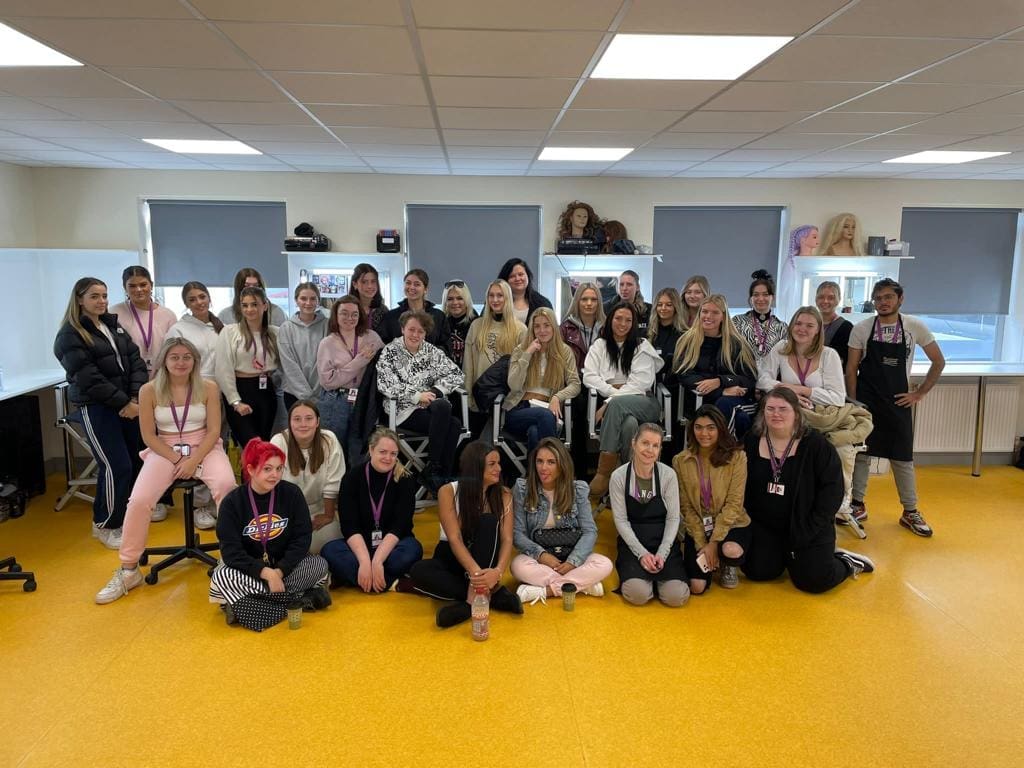
How do you train for SFX makeup?
Build a makeup foundation first
Effects work stands on solid core makeup skills, so a thorough grounding comes first. Understanding the face, colour and standard technique gives you the base that specialist effects build on, and skipping it tends to show in the finished work.
Specialist SFX training
On top of that foundation comes dedicated effects training in sculpting, moulds, prosthetics and materials. Because so much of it is hands on and technical, learning it under experienced teachers, with the right equipment, is far more effective than trying to piece it together alone.
Practice and a body of work
SFX rewards relentless practice and experimentation, since the only way to master materials and technique is to use them repeatedly. Building a portfolio of effects work as you learn is what demonstrates your ability and opens doors, so creating and documenting looks is part of the training itself.
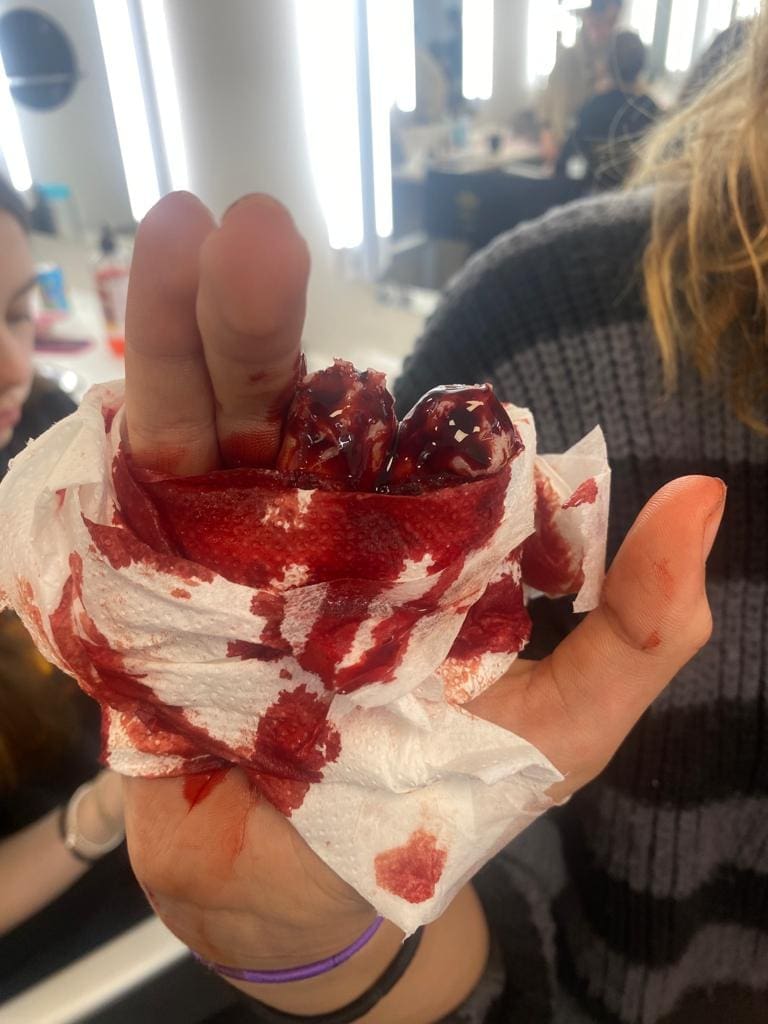
What does an SFX career look like?
Special effects artists work across film, television, theatre, music videos, theme parks, events and more, anywhere a convincing transformation is needed. Most work is freelance and project based, moving from production to production, with the biggest and most ambitious jobs concentrated in screen work. It is a specialist field, so building a reputation for reliable, high quality effects is what brings the better work, and the path often runs through the wider special effects route rather than a single fixed ladder. Some artists focus purely on effects, while others combine it with broader makeup work to keep the year full.
Like much of the industry, it can be competitive and the early years take persistence, with a lot of practice and unpaid or low paid work while you build skills and contacts. The reward is some of the most creative and satisfying work in the whole craft, with the chance to build creatures and transformations that end up on screen, and a specialism that is always in demand for the productions that need it.
What kit and materials do you need?
An SFX kit grows in a very different direction from a standard makeup kit. Alongside colours and brushes sit sculpting tools, moulding and casting materials, prosthetic supplies, adhesives, specialist paints and the products that build wounds and texture. You do not need all of it at once, and a beginner can start with a modest set of effects basics and build up as their skills and projects demand. As with any kit, technique matters far more than how much you own, and learning to use a small set of materials well comes before expanding into the more advanced workshop equipment.
Is SFX a good career?
For the right person, it is one of the most rewarding paths in makeup. It is creative, varied and technical, with the satisfaction of building something convincing and seeing it come to life on a performer. It is also specialist and competitive, so it suits those genuinely passionate about the craft and willing to put in the practice. The skills behind a great Halloween look or a film creature are the same, just taken to a professional standard, as we explore in Halloween SFX makeup, and that fascination with making the unreal look real is what carries successful effects artists through the demanding early years.
It also pairs well with related skills. Many effects artists also handle bald caps, hair work and character makeup, and broadening in this way makes you more useful and more employable across productions. A strong, versatile effects artist with a dependable reputation rarely struggles to find work in the productions that need them.
What makes the best SFX artists stand out?
The artists who rise to the top of effects work tend to share more than raw talent. They are meticulous, because convincing effects live in tiny details and edges that less careful artists miss. They are calm and organised under pressure, since complex looks have to be built to a deadline on a busy set. And they never stop learning, keeping pace with new materials and techniques in a field that keeps advancing. That blend of craft, discipline and curiosity, built on a genuine love of the work, is what separates a dependable effects artist from a truly sought after one. Reputation travels fast in this field, so those known for flawless, reliable work soon find that productions seek them out rather than the other way around.
Where does training come in?
SFX rewards proper hands on training more than almost any area of makeup, because so much of it is technical craft that is hard to learn alone. Brushstroke has trained makeup artists inside Elstree and Longcross studios for over thirty five years, with effects woven through the training alongside the core skills it depends on. The SFX taster is a great way to try it, and the full diploma takes it much further. The best way to understand the craft is to come and see the studios for yourself.
Frequently Asked Questions
How do you become an SFX makeup artist?
By building a solid foundation in core makeup, then training specifically in effects skills like sculpting, moulds, prosthetics and materials, and practising relentlessly to build a portfolio. Most artists then work freelance across film, television and theatre, building a reputation over time.
What skills do SFX makeup artists need?
Sculpting and mould making, prosthetic application and blending, strong colour and realism skills, and a good knowledge of specialist materials and their safe use. Creativity and patience underpin all of it.
Do you need qualifications to do SFX makeup?
There is no legal requirement, but proper training is hugely valuable because so much of the craft is technical and hands on. A recognised course in makeup and effects gives you the skills, safety knowledge and portfolio that productions look for.
Is SFX makeup a good career?
It can be very rewarding for those passionate about it, offering creative, varied and technical work. It is specialist and competitive, so it suits people willing to put in serious practice and persistence, especially in the early years.
What is the difference between SFX and regular makeup?
Regular makeup enhances or alters appearance within natural limits, while SFX transforms it, creating wounds, ageing, creatures and full changes using prosthetics, sculpting and specialist materials. SFX is a technical craft built on a foundation of core makeup skill.
What courses train you to be a special effects makeup artist?
Look for hands on special effects makeup courses that cover prosthetics, casting, wounds and creature work, ideally taught by working artists. A broad professional makeup training first, then SFX specialism, gives the strongest foundation.
What is in a special effects makeup artist kit?
An SFX kit builds on a standard makeup kit with prosthetic materials, adhesives, modelling wax, blood, casting supplies and specialist colours. It grows with the work, because different jobs call for different effects.
How much does a special effects makeup artist earn?
Pay is usually by daily rate on productions, and skilled SFX artists earn well above general makeup rates because the work is specialist. Earnings rise with credits, contacts and the complexity of the effects you can deliver.
Further reading
A clear introduction to SFX makeup.
Applying a bald cap, step by step.
Wounds, scars and creature looks for Halloween.
Where makeup training can take your career.