
What Is Fantasy and Avant-Garde Hair Design?
If you want to explore avant-garde hair design and where it can lead, this looks at the craft and the careers behind it. Fantasy and avant-garde hair design is where the craft stops following the rules and starts inventing its own. It is the boundary pushing end of hair and makeup, where artists build creatures, sculptures and impossible looks for editorial shoots, fantasy films, competitions and the stage. The work is closer to wearable art than to everyday styling, and it rewards imagination as much as technique. This guide explains what fantasy and avant-garde hair design is, where it appears, what it demands and whether there is a career in it.
Want to see how it all works in person? A visit lets you look around the studios and meet the tutors before you commit to anything.
What is fantasy and avant-garde hair design?
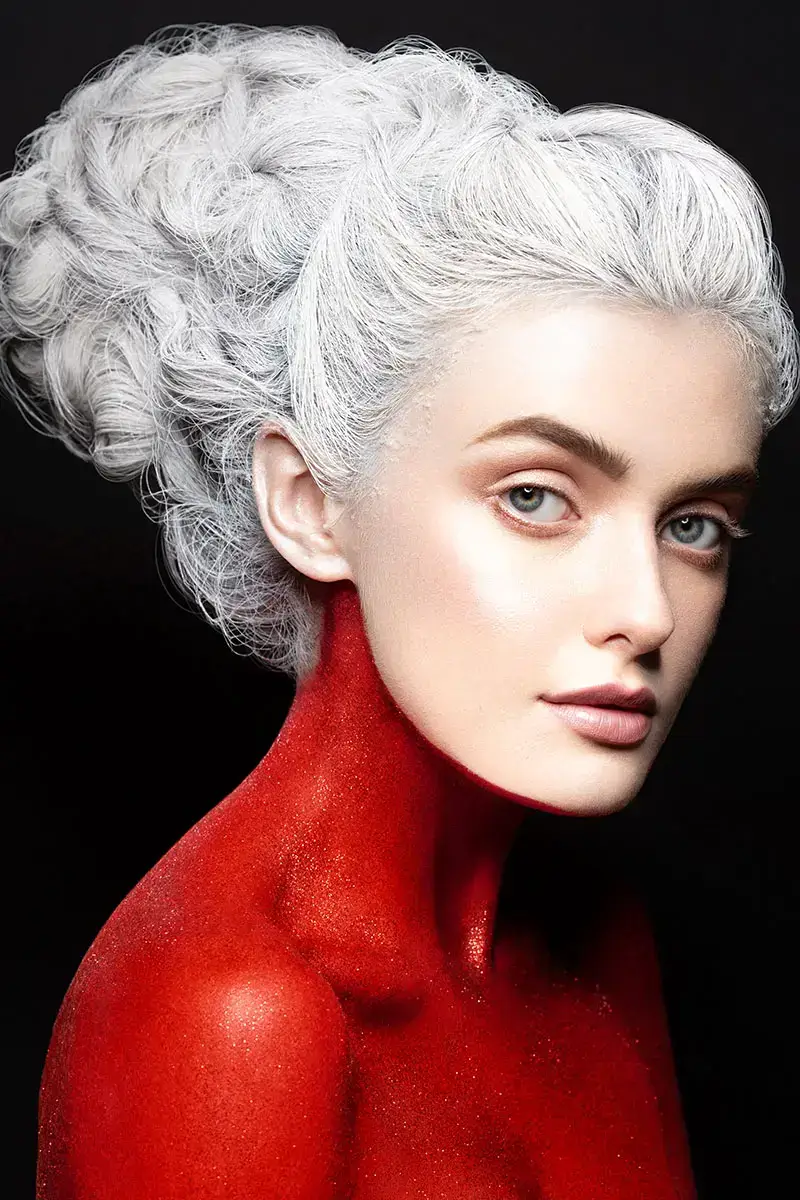
At its heart, this is hair design freed from the job of simply flattering a person. Avant-garde work pushes shape, colour and structure into something experimental and artistic, while fantasy work creates characters and creatures that do not exist in the ordinary world. Both treat the head as a canvas or a sculpture, and both ask the artist to imagine first and then work out how to build it. The result can be beautiful, strange, dramatic or otherworldly, but it is always led by an idea.
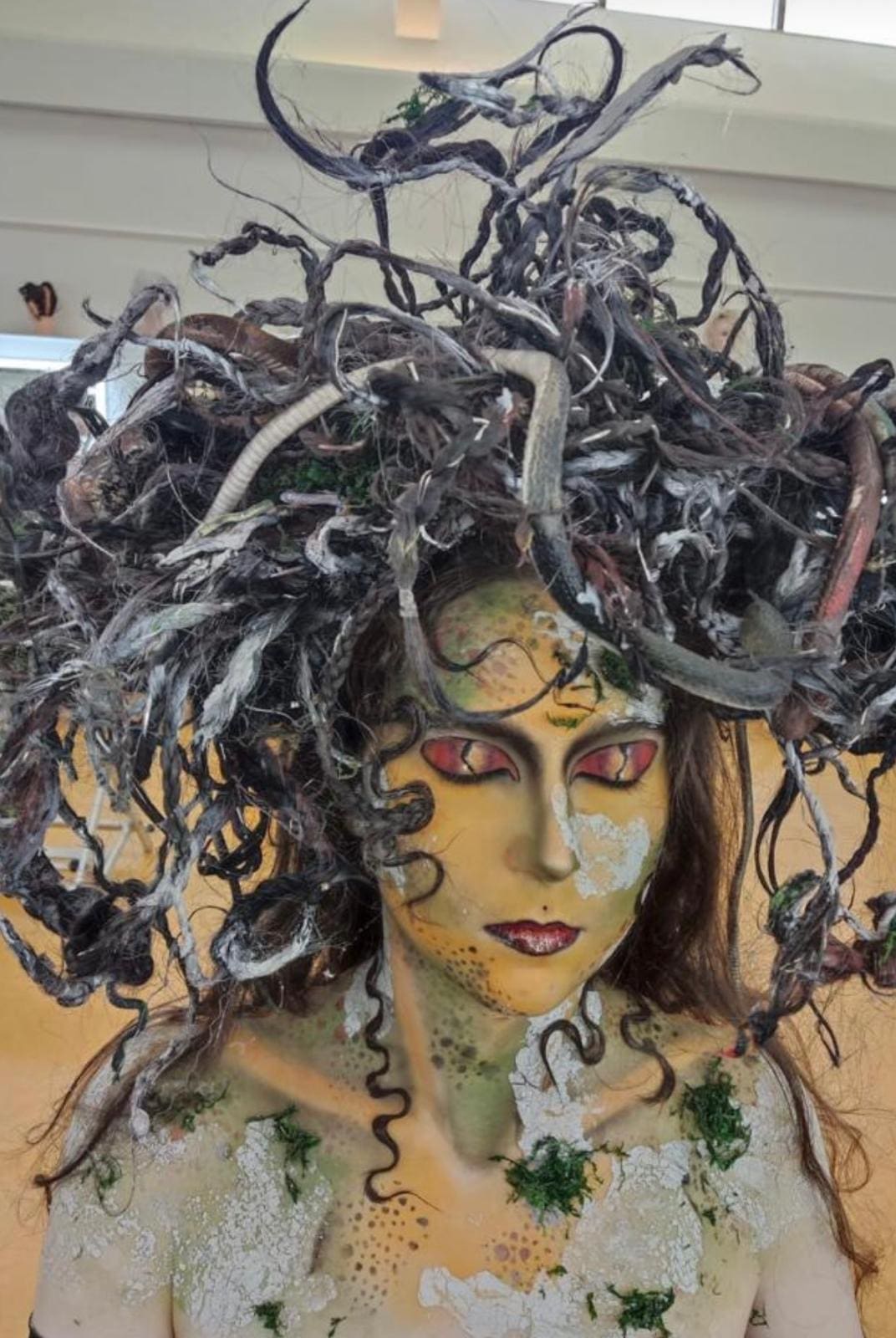
It also tends to blur the line between hair, makeup and costume. A striking fantasy look might combine sculpted hair, prosthetics, paint and built elements into a single creation, with several disciplines working as one. That overlap is part of what makes the field so creative, and so demanding.
Where does this kind of work appear?
Editorial and fashion
High fashion and editorial shoots are a natural home for avant-garde hair, where magazines and designers want images that are striking and original rather than wearable. It is where a lot of the most experimental work is created, and where artists build the bold portfolios that get them noticed.
Film, television and fantasy
Fantasy films and series, with their creatures, otherworldly characters and invented histories, rely heavily on imaginative hair and makeup design. This is where fantasy work meets the discipline of screen production, and where the most ambitious looks are realised on a large scale.
Competitions and showcases
Hair and makeup competitions are a world of their own, dedicated to pushing the craft as far as it will go. They give artists a stage to be purely creative, to experiment without a client to please, and to build a reputation for originality among their peers.
Stage, music and performance
Theatre, music and live performance often call for bold, theatrical and fantastical looks that read from a distance and create a character or a spectacle. It is another arena where imaginative hair design thrives, tied to the energy of live performance.

What makes avant-garde hair different?
Concept over convention
Ordinary styling serves the person, while avant-garde work serves an idea. The starting point is a concept, a story or a feeling, and the design follows from that rather than from what is flattering or practical. That shift in purpose changes everything about how the work is approached.
Structure and engineering
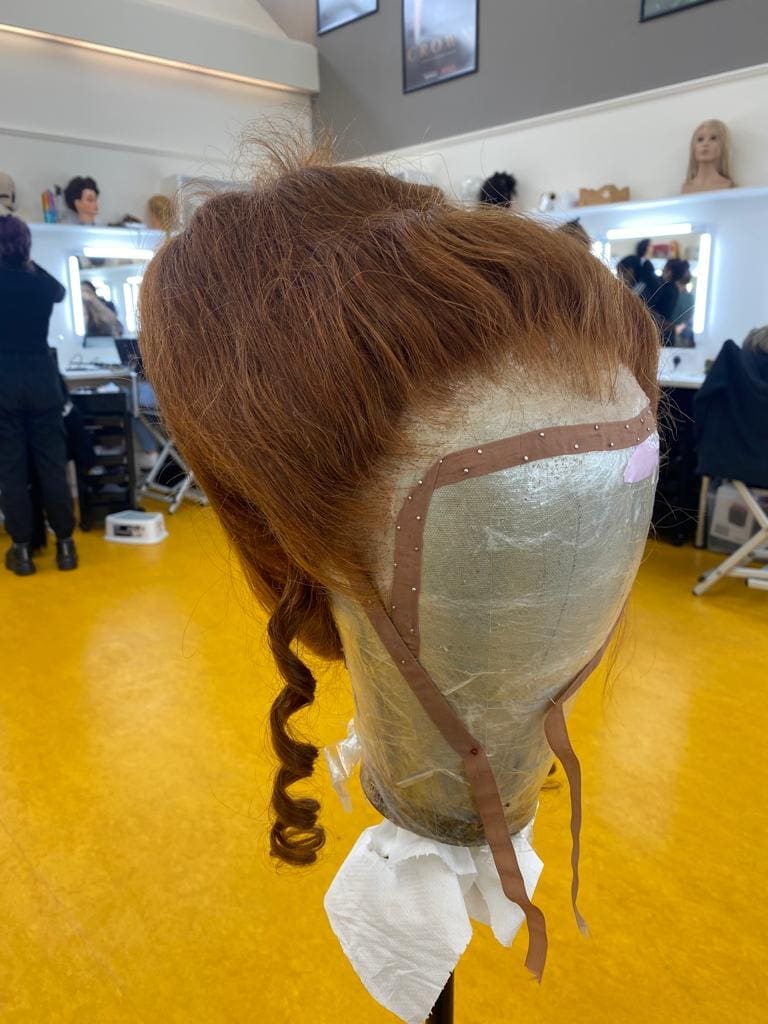
Ambitious looks often have to be built, not just styled, which brings real engineering into play. Keeping a dramatic shape standing, balanced and wearable takes an understanding of structure and support that goes well beyond conventional hairdressing, closer to sculpture than to a salon.
Mixed media and materials
Fantasy and avant-garde work frequently reaches beyond hair into other materials, incorporating wire, fabric, found objects, colour and prosthetics. Knowing how to combine these into a coherent piece is a craft in itself, and a big part of what gives the field its limitless feel.
What skills does it demand?
Creativity sits at the centre, but it stands on a foundation of solid technique. An artist needs strong core hair and makeup skills before bending the rules, because you cannot break conventions you have not mastered. On top of that comes imagination, a sense of design, problem solving to turn an idea into something real, and the patience to build looks that can take many hours. It draws on the same discipline as theatre and stage work and the boldness of high fashion, combined into something all its own.
Just as important is the ability to collaborate, since these looks rarely come from one person alone. Working closely with photographers, designers, makeup artists and costume makers to realise a shared vision is part of the job, and the best fantasy artists contribute ideas while fitting their work into a bigger creative whole.
How do you develop a creative portfolio?
Avant-garde and fantasy work is sold by images, so a bold, original portfolio is everything. Artists build it through experimental shoots, collaborations and competitions, creating pieces that show imagination and technical command rather than commercial polish. The aim is a body of work that proves you can dream up a striking concept and actually build it, since that is exactly what the people who hire in this field are looking for. Testing with like minded photographers and designers, and entering competitions, are reliable ways to create that kind of standout work.
Is there a career in fantasy and avant-garde hair?
There is, though it is a specialist and competitive one. Some artists make it their whole focus, working in editorial, fantasy film and competition circuits, while many more weave it into a broader career that also includes commercial and screen work. The creativity it builds feeds back into everything else an artist does, and a reputation for imaginative work can open doors across fashion, film and beyond. It sits naturally alongside the wider world of fashion makeup and screen work rather than apart from it.
For the artists drawn to it, the appeal is simple. Few areas of the craft offer this much freedom to invent, and the satisfaction of bringing an impossible idea to life is hard to match. It asks for serious skill and persistence, but it gives back a kind of creative fulfilment that more conventional work rarely does.
How do you come up with original ideas?
One question new artists always ask is where the ideas come from, and the answer is everywhere except other hair looks. The strongest avant-garde work tends to draw on architecture, nature, sculpture, history and emotion rather than on what other stylists are doing, because copying the field only ever produces a weaker echo of it. Building a wide visual world to draw from, through art, design and the things that genuinely move you, is what feeds original work.
The other half is permission to experiment and fail. This kind of design is built through trial and error, with plenty of ideas that do not work on the way to the ones that do. The artists who develop a real voice are the ones who keep playing, keep testing materials and shapes, and treat the failures as part of the process rather than a reason to stop. Originality is less a gift than a habit of curiosity and persistence.
Competitions and personal projects are perfect for this, since they give you the freedom to chase an idea purely for its own sake, with no client to satisfy but your own imagination.
Where does training come in?
Fantasy and avant-garde work is built on a foundation of strong, conventional skill, so it starts with thorough training in hair and makeup before the rules can be bent with confidence. Brushstroke has trained makeup artists inside Elstree and Longcross studios for over thirty five years, building the breadth, technique and creativity that imaginative work depends on. The two year diploma and 7 month diploma give you that grounding and room to explore. The best way to understand it is to come and see the studios.
Frequently Asked Questions
What is avant-garde hair design?
It is experimental, artistic hair work that prioritises a creative concept over conventional styling, treating the head as a canvas or sculpture. The result is striking and original rather than simply flattering or wearable.
What is the difference between fantasy and avant-garde hair?
Fantasy work creates characters and creatures from imagination, often for film, television or performance, while avant-garde work pushes shape, colour and structure into experimental art. They overlap a great deal and frequently appear together.
What skills do you need for fantasy hair design?
Strong core hair and makeup technique, real imagination and design sense, problem solving to build ambitious looks, and patience. An understanding of structure and mixed materials helps, along with the ability to collaborate.
Is there a career in avant-garde hair design?
Yes, though it is specialist and competitive. Some artists focus on it through editorial, fantasy film and competitions, while many blend it into a broader career, with its creativity enriching everything else they do.
How do you get into fantasy and avant-garde work?
By building strong foundational skills, then creating a bold portfolio through experimental shoots, collaborations and competitions. Imaginative, well executed work is what attracts the people who hire in this field.
What does an avant-garde hair designer do?
An avant-garde hair designer creates bold, sculptural and often fantastical hair for editorial shoots, shows, competitions and screen. The work is built on strong technical hair skills pushed into experimental, concept led design.
Where is avant-garde hair design used?
You see it in editorial fashion, music videos, competitions, theatre and film, wherever a striking, imaginative look is wanted. It is also a way for artists to show range and creativity that wins other work.
How do you build a career in avant-garde hair?
Master the core hair disciplines first, then develop a distinctive creative voice through testing, competitions and collaboration with photographers and stylists. A portfolio of bold, well executed work is what opens doors in this field.
Further reading
Breaking into editorial and runway makeup.
Working in theatre and live stage productions.
Where makeup training can take your career.
The complete route into professional makeup.