Are There Makeup Artist Apprenticeships in the UK?
If you are searching for makeup artist apprenticeships and whether they really exist, here is the honest picture and the routes that actually work. Apprenticeships sound like an ideal way into makeup, earning while you learn on the job, and many people ask whether they exist for makeup artists. The honest answer is mixed. Formal apprenticeships specifically for makeup artistry are limited, though related routes and other ways in do exist. This guide explains what an apprenticeship really means, why they are scarce in makeup, what the realistic routes into the profession are, and how to weigh them up against training, so you can choose the path that actually fits.
Want to see how it all works in person? A visit lets you look around the studios and meet the tutors before you commit to anything.
Can you become a makeup artist through an apprenticeship?
Sometimes, but it is far from the main route, and it is worth understanding why before pinning your hopes on it. Apprenticeships are most common in industries built around employers who take on staff and train them in house over time. Makeup, especially in film, television, fashion and freelance work, is not structured that way, so dedicated makeup apprenticeships are uncommon. Related apprenticeships in areas like hairdressing and beauty therapy do exist and can be a foothold, but a direct makeup artist apprenticeship leading into screen or fashion work is rare. For most people, the realistic routes look different, and knowing that early saves a lot of fruitless searching.

What does an apprenticeship actually mean?
An apprenticeship combines paid work with structured training, so an apprentice learns on the job while earning and works toward a recognised qualification at the same time. It depends on an employer willing to take someone on and train them over an extended period, which works well in trades and industries with steady, employed workforces. The appeal is obvious, since you earn while you learn rather than paying to train, and you gain real workplace experience from the start. The catch is that the model only exists where employers are set up to provide it, and much of the makeup world is freelance and project based rather than built around long term employed roles.
Why are formal makeup apprenticeships limited?
The structure of the industry is the main reason. A large share of makeup work is freelance, with artists moving between productions, clients and shoots rather than holding steady jobs with one employer. There is rarely a single business positioned to employ and train an apprentice over years in the way a salon chain or a manufacturer might. Where employed makeup roles do exist, such as some retail and counter positions, training tends to be in house rather than a formal apprenticeship. The result is that the apprenticeship model, common elsewhere, simply does not map neatly onto how most makeup careers are built.
What are the real routes into makeup?
Diploma training
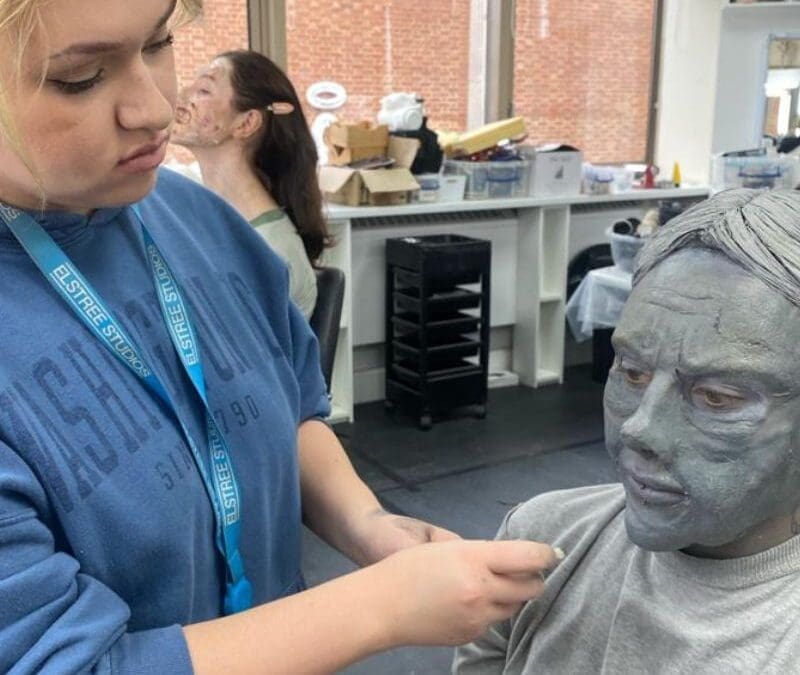
The most established route is a recognised diploma, which gives thorough, professional training and a qualification the industry respects. It compresses years of foundational learning into a focused course and sends you out with skills, a portfolio and a credential, which is why it is the path most serious artists take.
Assisting established artists
Assisting is the closest thing to an apprenticeship in much of the industry. Working alongside an experienced artist, you learn how real jobs run, build contacts and prove yourself, often after or alongside formal training. It is informal and earned rather than advertised, but it is how a great deal of practical experience is gained.
Traineeships and entry roles
Some productions, studios and companies offer trainee, runner or junior roles that act as a way in, letting you learn on the job from the bottom up. These are competitive and not always formal apprenticeships, but they can open the door to screen and studio work for those who get them.

Apprenticeship or diploma, which is better?
For most people aiming at a professional makeup career, structured training plus practical experience beats waiting for a scarce apprenticeship. A diploma gives you the skills, qualification and portfolio quickly and reliably, and assisting then provides the on the job learning an apprenticeship would have offered. Chasing a rare formal apprenticeship can mean a long wait for something that may never appear, while the training route is open now and proven. It is worth understanding how the qualifications themselves fit together, which we cover in our guide to makeup qualifications explained.
None of this means earning while learning is impossible. Many artists train, then assist and take entry level work that pays as they build, effectively combining learning and earning across the early years. It just tends to happen through training and assisting rather than through a single formal apprenticeship, which is simply the reality of how this industry works.
How much does training cost, and can you fund it?
Because the main route in is training rather than a paid apprenticeship, cost is a fair and important question. A diploma is a real investment, but it is the investment that makes a professional career possible, and there is often funding and finance available to help spread or support it. We set out the current course costs on the fees page, and the options for help on our course funding page, so you can plan the route in with a clear picture of the numbers.
What should you look for in a route in?
Whatever route you take, a few things are worth weighing up before you commit. The first is how much real, hands on practice it gives you, because makeup is learned by doing, and a route heavy on theory but light on practical work will leave you underprepared however it is labelled. Ask how much time is spent actually working on faces, and on the kind of work you want to do.
The second is what you come away with. A good route should leave you with not just skills but a recognised qualification and a portfolio that can win work, since those are what clients and productions actually respond to. A route that builds all three together is worth far more than one that offers experience alone or a certificate alone.
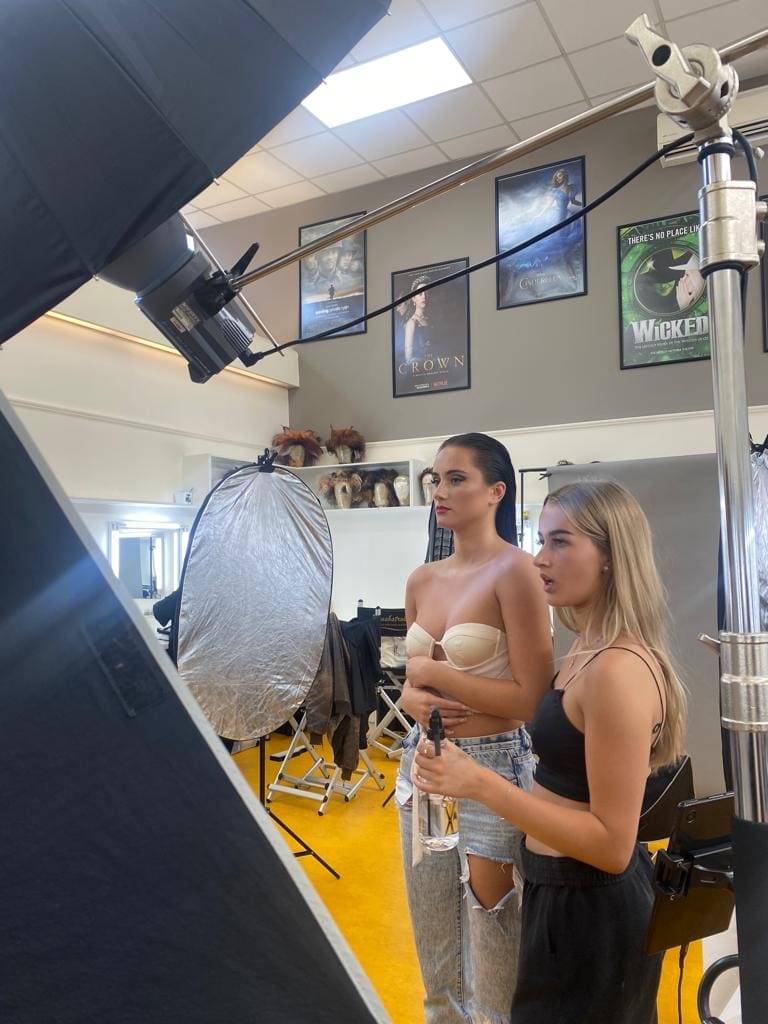
The third is the connections it opens. Much of the early work in makeup comes through relationships, so a route that puts you in touch with working professionals, studios and the industry is a real advantage. This is one of the quiet strengths of training in a genuine studio environment, where the people around you are part of the working world you are trying to enter.
Weighing routes on these terms, rather than on the word apprenticeship alone, is what helps you choose well. The label matters far less than what a route actually delivers in skills, credentials, a portfolio and contacts.
Where does Brushstroke fit in?
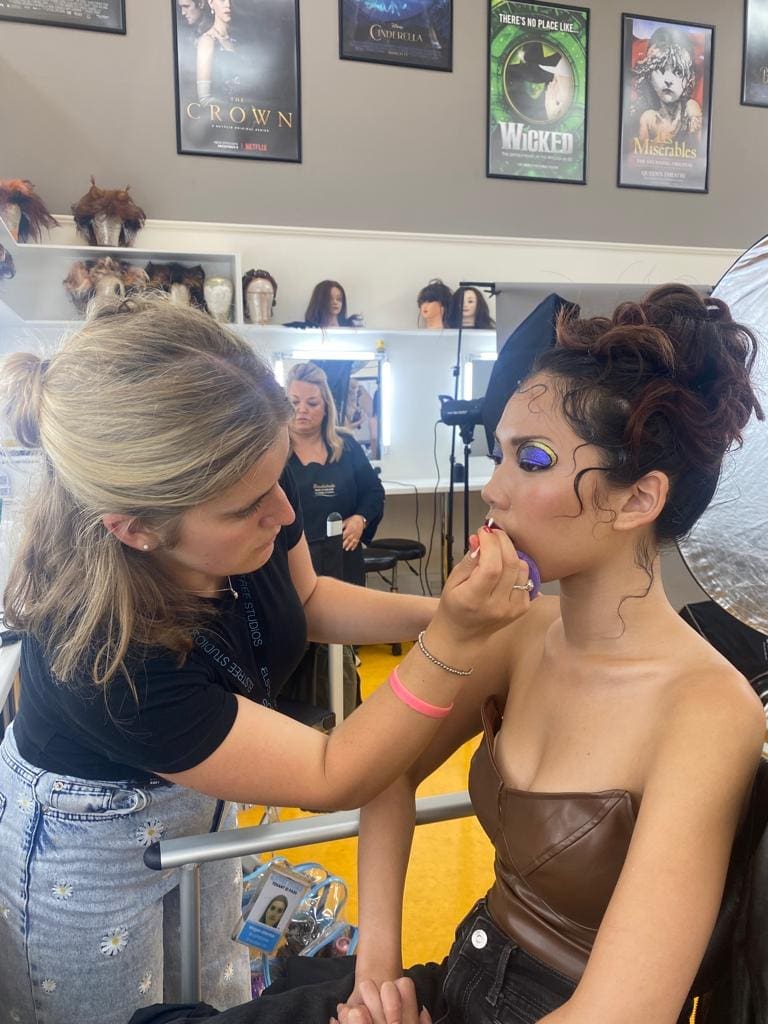
Brushstroke offers the structured training route that takes the place of a formal apprenticeship for most makeup careers, combining thorough teaching with the studio experience and portfolio that lead into real work. With over thirty five years training makeup artists inside Elstree and Longcross studios, the two year diploma and 7 month diploma give you the qualification, the skills and the contacts to step into the industry. The clearest way to judge whether it is the right route for you is to come and see the place.
Frequently Asked Questions
Are there apprenticeships for makeup artists in the UK?
Dedicated makeup artist apprenticeships are limited, because much of the industry is freelance and project based rather than built around employers who train staff in house. Related apprenticeships in hairdressing and beauty therapy exist, but the main routes into makeup are training and assisting.
How do most people become makeup artists?
Most train through a recognised diploma, then build experience by assisting established artists and taking entry level work. That combination of structured training and on the job learning is the realistic path for the majority.
Can you earn while training as a makeup artist?
Often indirectly. Many artists train, then assist and take paid entry level work as they build their skills and reputation. It tends to happen across the early years rather than through a single paid apprenticeship.
Is a diploma better than an apprenticeship for makeup?
For most people, yes, simply because formal makeup apprenticeships are scarce while diploma training is available now and well respected. A diploma gives skills, a qualification and a portfolio, with assisting providing the practical experience afterwards.
What qualifications do you need to be a makeup artist?
There is no legal requirement, but a recognised Level 3 diploma covering makeup and hair is the standard most employers and productions look for. The skills, portfolio and experience that come with it matter just as much. Many artists also add short specialist courses over time, building on that core qualification as their interests and careers develop, deepening a single area or branching into a new one.
Are there makeup artist apprenticeships near me?
Formal makeup artist apprenticeships are rare across the UK, so searching locally often turns up little. The common routes are a professional diploma and assisting established artists, which works as an informal apprenticeship in practice.
How do you find an informal makeup apprenticeship?
Assisting is the real world version. Train first, then offer to assist working artists on shoots, weddings or productions, where you learn the pace and build contacts. Reliability and a willing attitude are what get you asked back.
Do makeup apprenticeships lead to film and TV work?
Assisting established film and television artists is one of the most direct ways into screen work, because it builds the credits and trust productions rely on. A strong diploma plus assisting is the route most working artists actually took.
Further reading
The qualifications that actually matter to employers.
Ways to fund your makeup training.
Where makeup training can take your career.
The complete route into professional makeup.