
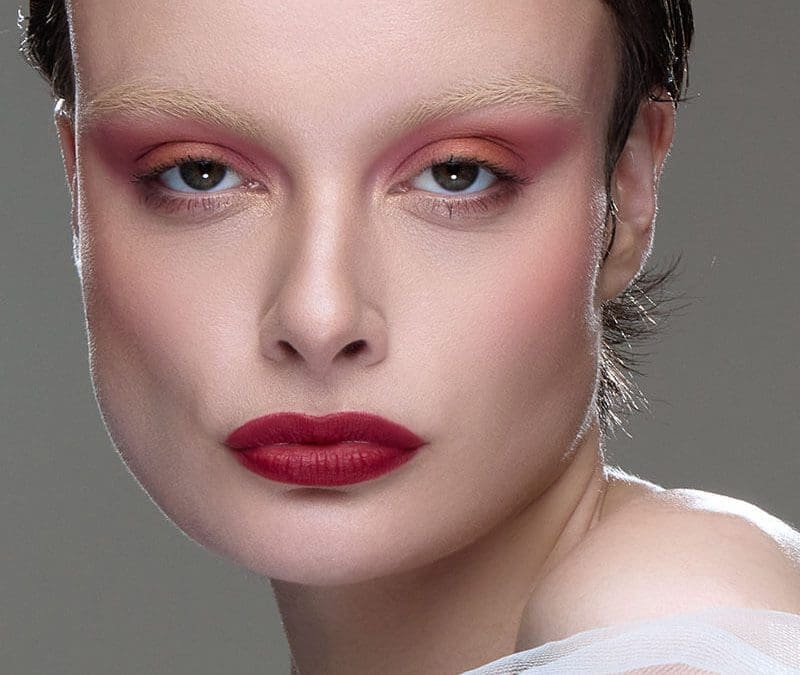
How Is Makeup for Camera Different?
If you want to know how to do makeup for camera so it holds up under HD and studio lighting, that is exactly what this covers. Makeup that looks flawless in the mirror can fall apart the moment a camera is pointed at it. High definition picks up every edge, studio lighting changes how colour behaves, and the size of a cinema screen leaves nowhere to hide. Makeup for camera is a craft of its own, built around what the lens sees rather than what the eye does. This guide explains how it works across film, television and photography, and what it takes to do it well.
Want to see how it all works in person? A visit lets you look around the studios and meet the tutors before you commit to anything.
Why is makeup for camera different from everyday makeup?
Everyday makeup is made to be seen by people, at conversational distance, in ordinary light. Camera makeup is made to be seen by a lens, often under powerful lighting and then magnified across a huge screen or scrutinised in a high resolution still. Those are very different audiences. The camera flattens, exaggerates and reveals in ways the human eye does not, so a look that reads beautifully in person can look heavy, shiny or patchy once it is filmed. Learning to makeup for the camera means learning to work for that second, far less forgiving viewer.
What does the camera actually see?
High definition and detail
Modern cameras capture extraordinary detail, and they are merciless about it. Visible product, harsh edges, cakey texture and uneven blending all show up far more on screen than in life, which is why camera makeup prizes seamless, skin like finishes over heavy coverage. The aim is makeup that looks like better skin rather than makeup.
Lighting and colour temperature
Studio and set lighting is intense and can shift how colours read, washing some out and pushing others forward. An artist has to understand how a look will behave under those lights, and sometimes build it differently from how it appears to the naked eye, so it lands correctly once it is lit and filmed.
Skin texture and shine
Controlling shine is a constant battle on camera, since lights pick up every bit of unwanted sheen, especially in high definition. Managing texture and oil so skin looks healthy rather than glossy, and holding that through long days under hot lights, is a core part of the craft and a frequent reason an artist is needed on set at all.
Continuity
On film and television a scene is shot out of order over hours or days, and the makeup must match perfectly across every take. Tracking and recreating a look exactly, sometimes weeks apart, is a discipline in itself, and one we look at closely in makeup continuity for film and television.
How does makeup change across formats?
Film and television
Screen work is built around realism, subtlety and continuity, with much of the job being makeup the audience never consciously notices. Even a glamorous look is constructed to survive HD and to match across takes, and a great deal of the work is quiet maintenance through a long shooting day.
Photography and editorial
Stills give more control and allow bolder, more polished looks, since there is no movement or continuity to manage and retouching can carry some of the load. The trade off is that a single frame is studied closely, so precision and finish have to be exact.
Live broadcast
Live television blends speed with reliability. Looks must go on fast, read well under bright studio lighting and hold up with no chance of a retake, which puts a premium on calm, efficient, dependable work over experimentation.

What skills does camera makeup demand?
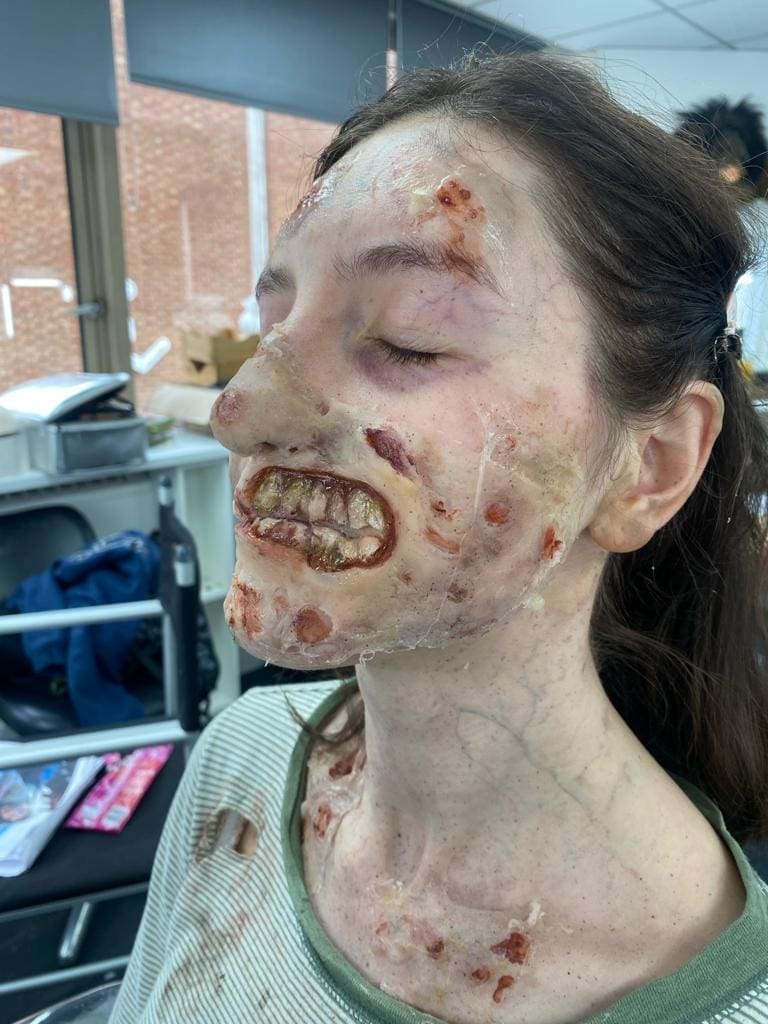
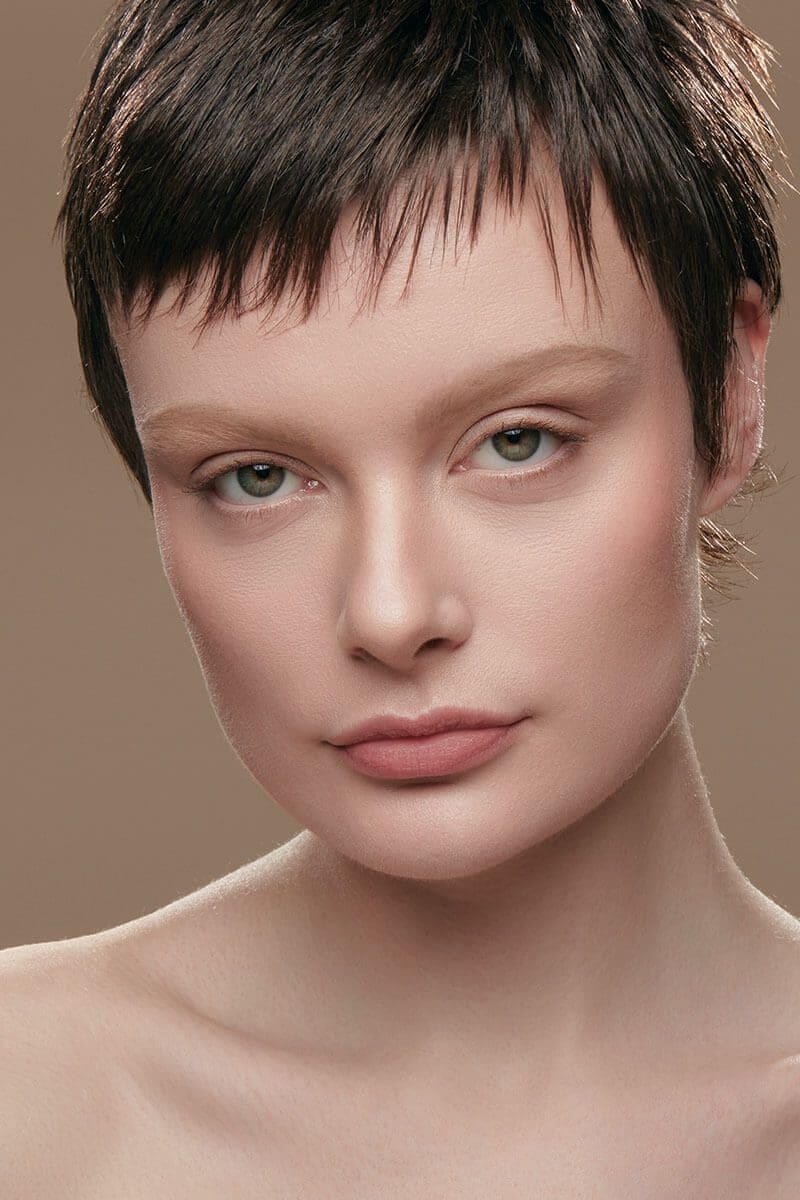
Camera work asks for flawless, invisible technique, a real understanding of light and colour, and the discipline to hold a look together over long hours and many takes. It also rewards a calm, professional presence on set, where you work alongside cast and crew under time pressure and budgets that do not wait. These are the skills that sit at the heart of working in film, television and stage, and they take real practice to build.
Just as important is consistency. Anyone can create one beautiful look on a good day. A camera artist has to deliver the same standard take after take, day after day, and recreate it precisely when filming resumes. That reliability, more than any single flourish, is what productions pay for and what turns a first booking into a career.
What about HD and 4K?
Higher resolution formats raised the bar for camera makeup considerably. Where older cameras were forgiving, HD and 4K reveal texture, product and imperfect blending in punishing detail, which pushed the craft toward lighter, more refined, more skin focused techniques. Good camera makeup today is often about doing less, but doing it perfectly, so the skin looks real at a level of detail that would have been invisible a couple of decades ago.
What is a day on set actually like?
A makeup artist on a film or television set starts early, often before sunrise, because the cast has to be camera ready by the time the crew is set up. The first job is getting performers through the chair efficiently, applying the agreed looks and logging every detail so they can be matched again later in the shoot.
Once filming begins, much of the work is maintenance. You watch the monitor, step in between takes to fix shine, refresh a look or repair anything the action has disturbed, and you do it quickly and quietly without holding up the shot. It is unglamorous, precise work, and it is a huge part of why an artist is on set at all.
Continuity runs through everything. Scenes are filmed out of order, sometimes days apart, so the look from this morning may need recreating exactly next week. Detailed notes and photographs become your script, and a sharp eye for tiny differences keeps a scene cutting together seamlessly.
The pace swings between intense and slow. There are bursts of fast, focused work around each setup, and long stretches of waiting while lighting and camera are arranged. A good artist uses the quiet to prepare, stays ready, and never lets the standard drop just because the day is dragging.
Days are long and the environment is demanding, but for people who love film and television it is a brilliant place to work. You are part of telling a story, you see how productions really come together, and the skills you build on set are exactly the ones that keep you in steady work.
Where do you learn makeup for camera?
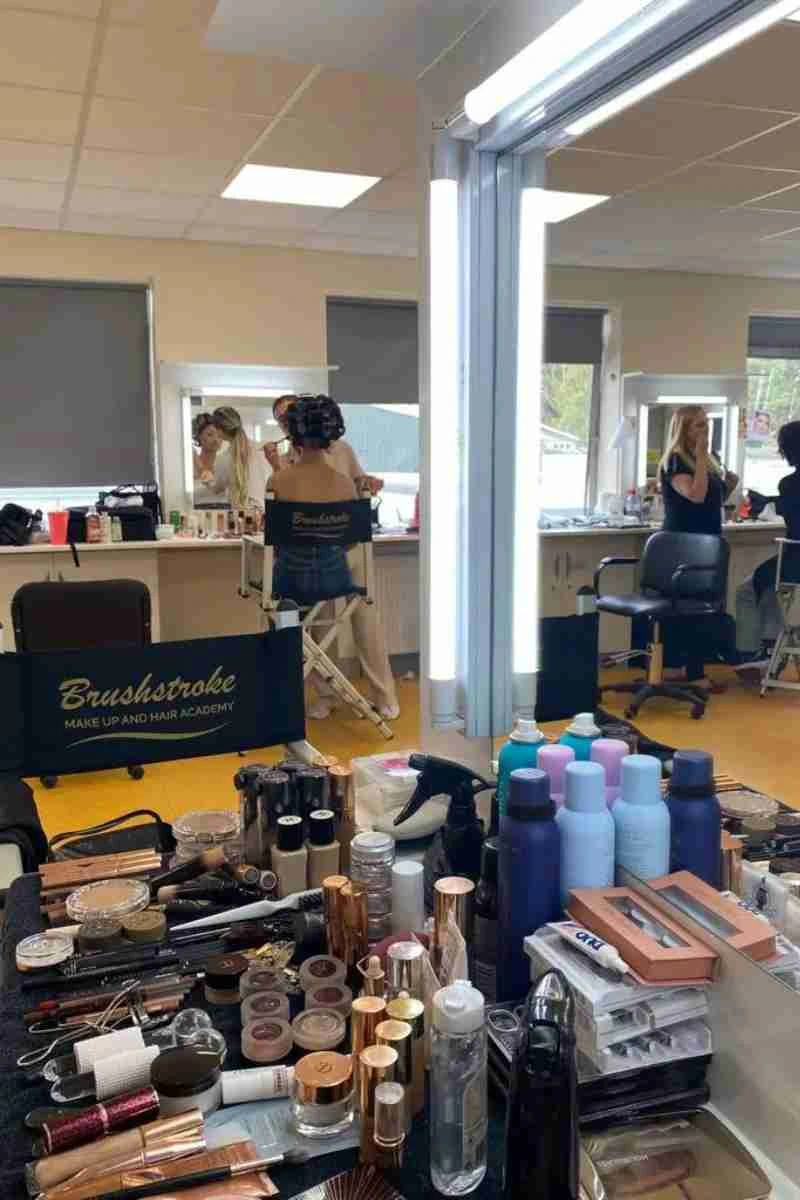
Camera makeup is best learned where it is actually done, with proper lighting, real briefs and expert guidance. Brushstroke has trained makeup artists inside Elstree and Longcross studios for over thirty five years, so the screen skills, continuity and professionalism are taught in the same kind of environment graduates go on to work in. The two year diploma and 7 month diploma both build toward screen work. The best way to understand it is to come and see the studios.
Frequently Asked Questions
Why does makeup look different on camera?
Cameras flatten and magnify, and strong lighting changes how colour and shine read. Detail the eye forgives, like edges, texture and product, shows up clearly on screen, so camera makeup is built to look seamless and skin like through a lens.
What is HD makeup?
It is makeup designed for high definition cameras, which reveal far more detail than older formats. It favours light, finely blended, skin focused techniques over heavy coverage, so the finish looks like real skin even when magnified.
How do makeup artists stop shine on camera?
Through careful skin preparation, the right products and constant maintenance on set, managing oil and texture so skin looks healthy rather than glossy under hot lights. Controlling shine through a long day is a core part of the job.
What is makeup continuity?
It is keeping a look identical across takes that are filmed out of order over hours or days, so a scene cuts together seamlessly. Artists record and recreate every detail precisely, sometimes weeks apart, to maintain it.
Do you need special training for camera makeup?
It helps a great deal. The subtlety, lighting knowledge, continuity and consistency that screen work demands are best learned through practical training in a studio environment rather than picked up on the job. Learning under proper lights, on real briefs, with someone who can show you how a look behaves on camera, builds the judgement screen work depends on far faster than trial and error ever could. It also gets you used to the pace and the etiquette of a working set, which counts for as much as the makeup when a production decides whether to book you again.
How do you do makeup for camera?
You build it to read on screen rather than in the mirror, with a flawless but thin base, careful colour that will not shift under lights, and matte where shine would catch. Blend further than you think, check the result on a monitor, and keep a kit handy for touch ups between takes.
What is the best makeup for an HD camera?
High definition rewards light, finely milled, buildable products over heavy coverage, because the lens picks up any thickness or hard edge. Cream and skin like formulas that sit into the skin tend to film better than dense powders, and the application matters as much as the products.
Is camera makeup different for men?
Makeup for men on camera is usually meant to be invisible, controlling shine, evening out tone and reducing redness without reading as makeup. It is a common and expected part of screen work, from presenters to actors.
Further reading
Keeping looks consistent across a shoot.
What a working day on set actually looks like.
Working across film, television and stage.
The complete route into professional makeup.