

What Is Makeup Continuity in Film and TV?
If you are trying to understand makeup continuity in film and television, and the sheets and photos artists use to hold it, this explains it. Makeup continuity is one of the most important parts of screen work and one of the least understood. It is the discipline that keeps a character looking exactly the same from shot to shot, even when those shots are filmed hours, days or weeks apart and wildly out of order. Get it right and nobody notices, which is the whole point. Get it wrong and the audience is pulled out of the story by a wound that has moved or hair that has changed. This guide explains what continuity means, how artists manage it, and why it sits at the heart of the job.
Want to see how it all works in person? A visit lets you look around the studios and meet the tutors before you commit to anything.
What does makeup continuity actually mean?
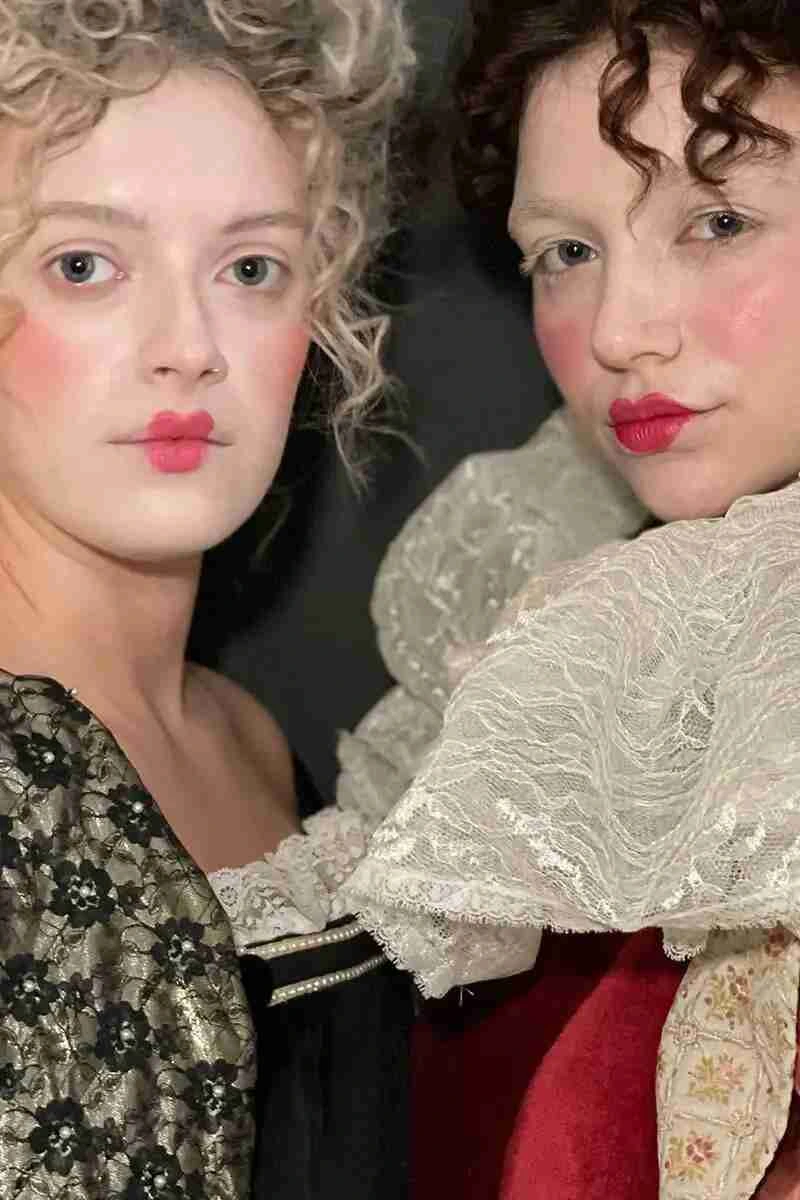
Continuity means keeping every visual detail of a look consistent across all the footage that will be cut together into one continuous scene. If a character has a cut on their cheek, a particular lipstick or a strand of hair falling a certain way in one shot, it has to match in every other shot of that moment, regardless of when each piece was filmed. The makeup artist becomes the keeper of that consistency, responsible for recreating a look precisely so the finished scene flows as though it all happened at once. It is detailed, methodical work, and it runs quietly underneath every production.
Why does continuity matter so much on screen?
Scenes are shot out of order
Productions almost never film in story order. Scenes are shot to suit locations, schedules and availability, so the end of a story might be filmed before the beginning, and a single conversation can be captured over several days. Continuity is what holds a look together across all of that, so the pieces fit when they are finally edited into sequence.
The audience notices breaks
Viewers may not consciously study makeup, but they feel it when something is wrong. A change in a look between two shots of the same moment registers as a jolt, even if the viewer cannot name what shifted. Continuity protects the illusion the whole production is working to build, and a single visible error can undo a lot of careful work.
Reshoots and pickups
Footage is often added later, with reshoots and pickups filmed weeks or months after the main shoot. The makeup has to match the original perfectly, sometimes long after the fact, which is only possible because of careful records kept at the time. Without them, matching a look after a long gap would be guesswork.
Telling the story’s timeline
Continuity also carries the story’s own sense of time. A look may need to age, heal or change deliberately to show days passing or a character developing, and managing those intended changes is as much a part of the job as keeping everything else identical. The artist tracks both what must stay the same and what must change on cue.
How do makeup artists track continuity?
Continuity photographs
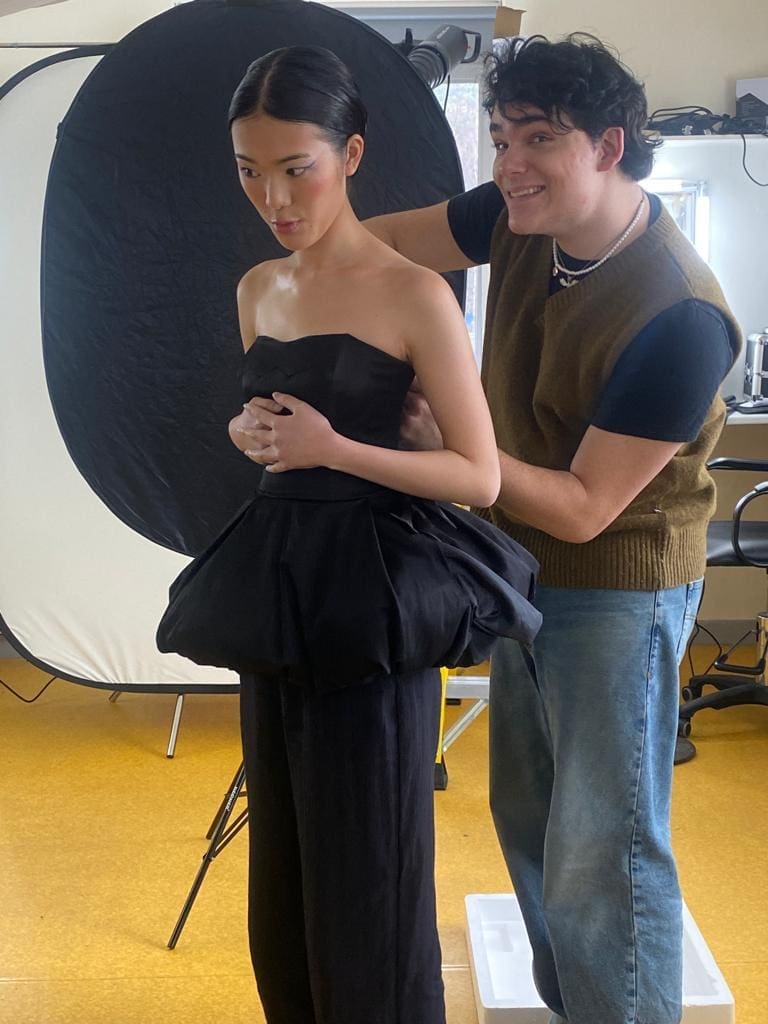
Photographs are the backbone of continuity. Artists take detailed reference shots of every look from several angles, capturing exactly how the makeup, hair and any effects sit, so they can be recreated faithfully later. A good set of continuity images is the closest thing the artist has to a memory that never fades.
Detailed notes and logs
Alongside the photographs sit careful written notes, recording the products used, where everything was placed and any detail that matters. Many artists keep a continuity log for each character, so anyone could step in and recreate the look from the record. The discipline of writing it all down is what makes consistency possible across a long shoot.
Working with the team
Continuity is a shared effort. The makeup artist works closely with the script supervisor, hair, wardrobe and the wider crew, all tracking their own details so the whole picture holds together. Good communication across those departments is what keeps a look consistent when many hands and many days are involved.

What makes continuity difficult?
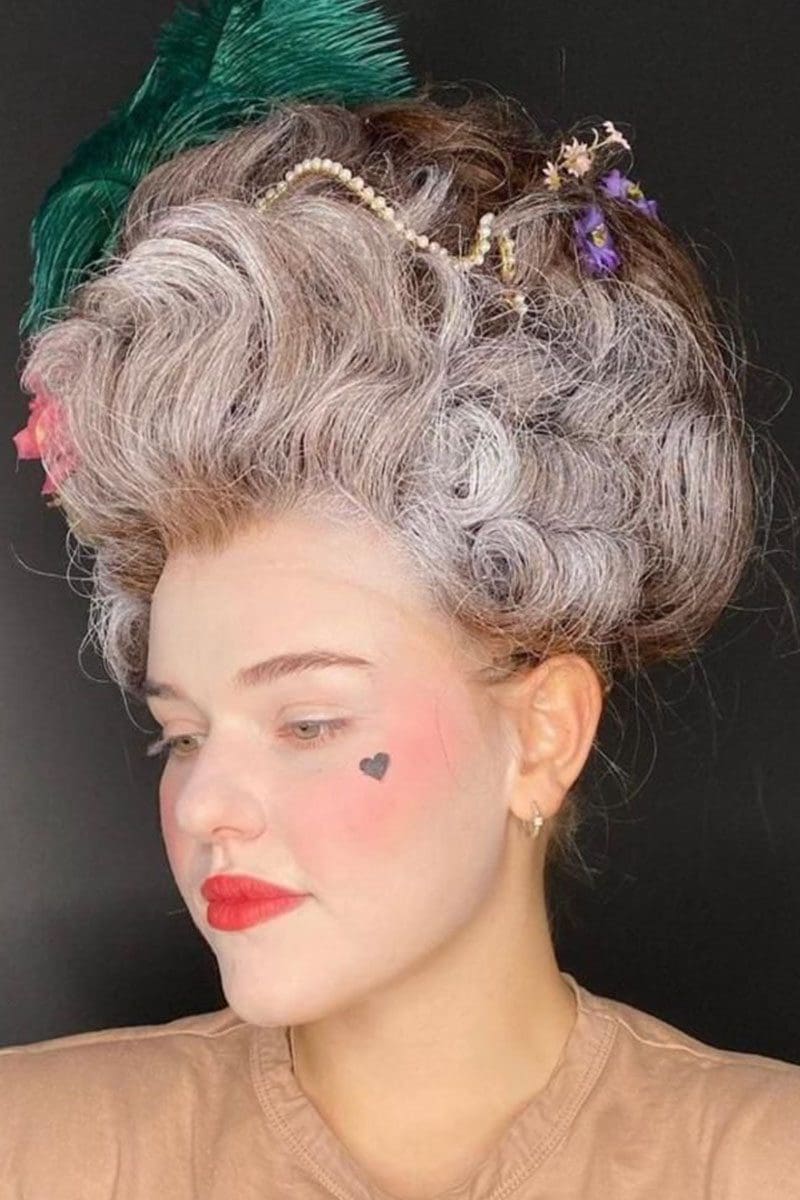
The challenge is that real conditions work against consistency. Time passes between takes, so a look has to be refreshed without drifting from the original. Heat, sweat, movement and long hours wear makeup down through a day, and the artist has to maintain it invisibly. Add weather on location, costume changes and the sheer number of shots in a scene, and keeping everything matched becomes a constant, watchful task rather than a one off job. It is precise work done under pressure, which is exactly why it is valued.
The difficulty rises sharply once effects and ageing are involved, because then the look is not simply being held steady, it is being changed on purpose and must still match within each stage. This is where continuity overlaps with the wider craft of makeup for camera, and where careful records earn their keep more than ever.
How does continuity work with effects and ageing?
When a story calls for a wound to heal, a character to age or an effect to progress, continuity becomes a sequence of carefully tracked stages rather than a single fixed look. The artist plans how the change should look at each point, records every stage in detail, and recreates the correct version for whichever moment is being filmed. A healing injury might be shot at three different stages on the same day, in the wrong order, so knowing exactly how each stage should appear, and being able to reproduce it on demand, is essential. It is some of the most demanding continuity work there is.
What skills does continuity demand?
Continuity rewards a particular temperament as much as technical skill. A sharp eye for tiny detail, real organisation, a reliable memory and the discipline to record everything carefully all matter enormously, because the work depends on noticing and reproducing the smallest things. Patience and consistency under pressure are just as important, since the task is repetitive and exacting across long days. These habits sit at the centre of professional screen work, alongside the broader skills of working in film, television and stage.
It is also a skill that builds trust. A makeup artist who is known for flawless continuity is a safe pair of hands on any production, because directors and editors can rely on the footage matching. That reputation for accuracy and dependability is part of what keeps screen artists in steady work, and it is earned one careful record at a time.
How has continuity changed with technology?
Technology has made continuity both easier and more exacting. Digital photography lets an artist capture a look in seconds and store hundreds of detailed references for instant recall, which has transformed record keeping compared with written notes and printed shots alone. Tablets and shared folders let the whole team see the same reference at once, so matching a look across departments is far quicker than it used to be.
At the same time, higher resolution cameras have raised the stakes, because they reveal the smallest inconsistency that older formats would have hidden. A tiny difference in a wound, or a stray detail that once passed unnoticed, can now be obvious on screen, so the precision demanded of continuity has risen even as the tools to manage it have improved.
The principles, though, have not changed. Capture everything, record it carefully, and be able to recreate it exactly, whether the tool is a notebook or a tablet full of reference images.
Frequently Asked Questions
What is continuity in makeup?
It is keeping a character’s makeup, hair and any effects identical across all the shots that will form one scene, even when they are filmed out of order over hours or days. The aim is footage that cuts together seamlessly, as though it all happened in one continuous moment.
How do makeup artists keep continuity?
Mainly through detailed reference photographs and written notes taken at the time, recording exactly how each look was created and placed. Those records let the artist recreate a look precisely later, even weeks afterwards for reshoots.
Why is makeup continuity important?
Because audiences notice when a look changes between shots of the same moment, and even a small error can break the illusion the production is building. Continuity protects that illusion and keeps the story believable.
Is continuity hard to learn?
The principles are straightforward, but doing it well under the pressure of a real shoot takes organisation, a sharp eye and discipline. It is a skill that grows with experience and rewards a methodical temperament.
Do all makeup artists need continuity skills?
Anyone working in film and television does, since it is fundamental to screen work. Artists in bridal or fashion rely on it less, though the underlying habits of recording and recreating a look are useful across the whole profession.
What is a makeup continuity sheet?
A continuity sheet is the record an artist keeps for each character, noting the products, tools and steps used along with reference photos. It lets anyone recreate the exact look on another day or another unit, which is why productions treat it as essential paperwork.
How do makeup artists track continuity on set?
They photograph the finished look from consistent angles, log products and any story changes such as wounds or sweat, and keep notes tied to each scene. Many use continuity photos on a tablet or phone alongside a written sheet so nothing is missed.
Do you need an app for makeup continuity?
Plenty of artists manage continuity with photos and a simple sheet, while some prefer dedicated continuity apps that keep images and notes together. The tool matters less than the discipline of recording every look consistently.
Further reading
How makeup reads differently on screen.
What a working day on set actually looks like.
A year of looks from across film and television.
The complete route into professional makeup.