How to Get Into TV and Film Makeup, A Complete Career Guide
The world of television and film makeup is a vibrant and ever-evolving field that combines artistic creativity with technical precision. From the subtle beauty looks that grace daytime television to the jaw-dropping creature effects seen in blockbuster films, makeup artists working in screen
Want to see how it all works in person? A visit lets you look around the studios and meet the tutors before you commit to anything.
Introduction: Why TV and Film Makeup Is One of the Most Exciting Careers in the Creative Industry
Industry-Specific Production Requirements and Technical Knowledge
Working in TV and film makeup requires deep understanding of how different production environments demand distinct approaches. Television makeup artists must work quickly and efficiently, often creating makeup looks that need to be replicated across multiple takes and episodes. Film productions, meanwhile, allow more time for complexity but demand meticulous attention to continuity across days or weeks of filming.
High-definition and 4K camera technology has revolutionized makeup application standards. What appears natural to the naked eye may look completely different through a camera lens, particularly under professional lighting. Professional makeup artists must understand color grading, lighting setups, and camera specifications to ensure their work translates perfectly on screen.
[IMAGE PLACEHOLDER: Professional makeup setup on film set with lighting and camera equipment]
Understanding Continuity and Documentation
One of the most critical aspects of professional makeup work is maintaining perfect continuity throughout a production. An actor’s makeup must appear identical across multiple shooting days, different camera angles, and various takes. This requires meticulous documentation including detailed photographs, written notes, and sometimes video references of the final makeup application.
Many makeup artists develop their own continuity systems, using numbered photographs and detailed notes describing color percentages, specific products used, and application techniques. This documentation becomes invaluable when resuming a role or rectifying continuity issues discovered during editing.
Working with Different Camera Formats
Different production formats demand different makeup approaches. Traditional film stock, digital cinema cameras, broadcast television, and streaming platforms each have unique color profiles and lighting characteristics. A skilled makeup artist understands these differences and adjusts their approach accordingly, ensuring that makeup looks perfect regardless of the recording medium.
Building Professional Relationships and Industry Connections
The film and television industry operates substantially through personal relationships and professional networks. Many makeup artists secure work through recommendations from directors, cinematographers, and production managers they’ve worked with previously. Building a strong professional reputation is often more valuable than any advertisement.
[IMAGE PLACEHOLDER: Makeup artists collaborating with directors and production team on set]
Networking Strategies for Makeup Professionals
Effective networking for makeup artists involves multiple strategies. Attending industry events, film festivals, and professional conferences provides opportunities to meet potential collaborators. Joining professional organizations and online communities connects you with peers and keeps you informed about industry developments.
Maintaining relationships with previous collaborators is equally important. Following up with directors, producers, and other crew members you’ve worked with, sharing portfolio updates, and staying visible within your professional circle significantly increases opportunities for future work.
Advanced Makeup Techniques and Specialized Training
Beyond basic makeup application, professional TV and film makeup artists often specialize in advanced techniques that set them apart in competitive markets. These specializations command premium rates and attract high-profile productions.
Prosthetic makeup application requires understanding mold-making, appliance fabrication, and the physical properties of silicone and foam latex. Creating realistic creature designs demands knowledge of sculpture, anatomy, and creature design principles. Special effects makeup techniques represent some of the most sought-after skills in the industry.
Advanced Beauty and Corrective Techniques
High-end television and film productions often require specialized beauty makeup skills. This includes advanced color correction techniques, specialized application for different skin types and ethnicities, and understanding how makeup performs under different lighting conditions and camera configurations.
Period makeup specialists study historical references and develop research skills to authentically recreate looks from specific eras. This specialization is particularly valuable for period drama productions, which continue to be popular across broadcast television and streaming platforms.
Career Longevity and Long-Term Professional Development
Establishing a sustainable career in TV and film makeup requires strategic planning and continuous professional development. The industry is competitive, and maintaining relevance requires staying current with evolving techniques, products, and industry standards.
[IMAGE PLACEHOLDER: Experienced makeup artist mentoring junior artists in professional environment]
Professional Development and Continuing Education
Many experienced makeup artists participate in ongoing training throughout their careers. Advanced workshops, masterclasses with renowned artists, and product training sessions help professionals maintain and develop their skills. Staying informed about new products, techniques, and industry trends is essential for long-term career success.
Some makeup artists pursue additional qualifications or certifications in specialized areas. Others develop complementary skills such as wigmaking, prosthetics fabrication, or makeup design. These developments expand career opportunities and increase earning potential.
Diversifying Your Makeup Career
Many seasoned makeup professionals diversify their careers beyond on-set work. Teaching at makeup schools, developing makeup products, creating educational content, consulting on productions, or establishing freelance prosthetics companies all offer alternative revenue streams and career sustainability.
Some makeup artists transition into senior roles such as head of department or makeup designer, where they oversee makeup teams on major productions. Others establish themselves as specialists in specific areas, building reputations that allow them to choose projects and command premium rates.
The Business Side of Freelance Makeup Work
Most TV and film makeup artists work as freelancers, which brings both opportunities and challenges. Understanding the business aspects of freelance work is crucial for sustainable career management.
Negotiating Rates and Contracts
Freelance makeup artists must understand industry-standard rates and be able to negotiate effectively. Rates vary based on experience, specialization, production budget, and type of work. Entry-level makeup artists might earn modest daily rates, while experienced professionals working on major productions command significantly higher compensation.
Understanding contracts is essential. Makeup artists should be familiar with standard industry agreements, union rules (particularly for productions with guild requirements), and how to protect their interests professionally.
Managing Finances as a Freelancer
Freelance work involves managing irregular income, budgeting between projects, and handling tax obligations. Many makeup artists establish business structures, maintain professional insurance, and work with accountants to manage finances effectively.
Current Industry Trends and Future Opportunities
The TV and film industry is continuously evolving, creating new opportunities for makeup professionals. Understanding current trends helps aspiring artists position themselves for emerging opportunities.
Streaming platforms have dramatically expanded production volumes, creating unprecedented demand for makeup professionals. Virtual and augmented reality productions represent emerging frontiers, potentially creating new applications for makeup artistry. The increasing emphasis on diversity and representation in casting also creates opportunities for makeup specialists experienced in working with diverse skin tones and features.
[IMAGE PLACEHOLDER: Modern film and television production technology and makeup artistry]
Taking Your First Steps into Professional Makeup
The Business and Career Management of SFX Makeup Artistry
Like all freelance makeup professionals, SFX makeup artists must develop business acumen alongside their creative and technical skills. Understanding how to manage a freelance career, negotiate contracts, and build a sustainable income is essential for long-term success.
[IMAGE PLACEHOLDER: Professional SFX makeup artist with portfolio and client materials]
Freelance Work and Contract Negotiation
Most SFX makeup artists work as freelancers, securing employment on a project-by-project basis. Understanding industry-standard rates is crucial. Rates vary significantly based on experience level, specialization, production budget, and the complexity of required effects. Entry-level SFX artists may command modest daily rates, while highly specialized professionals working on major productions earn substantial compensation.
Understanding contracts and working with production agreements protects your interests. Familiarizing yourself with industry-standard terms, union requirements (for guild productions), and payment schedules is essential for professional success.
Building Your SFX Makeup Business
Many SFX makeup artists establish formal business structures to manage their freelance work effectively. This includes setting up appropriate business entities, maintaining professional insurance, managing tax obligations, and establishing professional financial systems.
Developing relationships with production managers, casting directors, and other industry professionals creates pathways to consistent work. Many SFX artists find that word-of-mouth recommendations and reputation are more valuable than active marketing.
Specialization Opportunities and Career Advancement
As you gain experience in SFX makeup, opportunities for specialization and career advancement emerge. Many successful SFX artists develop particular areas of expertise that become their professional identity.
[IMAGE PLACEHOLDER: Examples of diverse SFX makeup specializations and artistic styles]
Becoming a Creature Designer
Specialized creature design represents one of the highest-paid and most creatively fulfilling areas of SFX makeup. Artists who develop strong creature design skills, combining artistic vision, anatomical knowledge, and technical prosthetic expertise, become highly sought-after for fantasy, science fiction, and horror productions.
Film and Television Department Leadership
Experienced SFX makeup artists often progress into head of department or makeup designer roles, where they oversee entire makeup teams on productions. These positions offer greater creative control, higher compensation, and the opportunity to mentor emerging artists.
Product Development and Industry Innovation
Some SFX artists transition into product development, creating innovative materials and tools for the industry. Others establish specialized prosthetics fabrication companies, producing custom effects for productions. These ventures can be highly lucrative and allow artists to focus on business rather than on-set work.
Staying Current with Industry Advances and Technology
The SFX makeup industry continuously evolves with new materials, techniques, and technologies. Maintaining professional relevance requires commitment to ongoing learning and professional development.
Material Science and New Product Development
New silicone formulations, makeup products, and application technologies emerge regularly. Staying informed about these developments ensures you can offer the best possible solutions to production challenges. Many SFX artists attend product training sessions, workshops, and industry conferences to stay current.
Integration with Digital Effects
Modern productions increasingly blend practical SFX makeup with digital visual effects. Understanding how your practical work will be enhanced, modified, or combined with digital effects is increasingly important. Some SFX artists develop knowledge of VFX processes and digital post-production to better inform their practical work.
[IMAGE PLACEHOLDER: Blend of practical SFX makeup with digital enhancement and VFX]
Mentorship and Passing on Your Knowledge
Experienced SFX makeup artists often become mentors to emerging professionals. This mentorship can occur on-set through apprenticeships, through formal teaching positions at makeup schools, or through consultation and training roles.
Teaching at institutions like Brushstroke Makeup School allows experienced professionals to shape the next generation of SFX artist
The journey from aspiring makeup artist to established professional begins with quality training and strategic planning. Brushstroke Makeup School provides comprehensive programs designed to prepare you for professional work in TV and film production.
Our courses combine theoretical knowledge with extensive practical experience, ensuring graduates are fully prepared for professional demands. Training at our studios within working film locations means you’ll develop your skills surrounded by active productions, gaining insight into real industry working conditions.
Whether you’re a school leaver exploring career options, a career changer seeking creative work, or an experienced makeup artist looking to specialize in screen media, Brushstroke offers programs tailored to your needs and aspirations.
Contact Brushstroke today to learn more about our courses, arrange a campus visit, or request a prospectus. Your career in TV and film makeup awaits.
media play a crucial role in bringing characters and stories to life. If you have ever watched a period drama and marvelled at the historically accurate styling, or been captivated by the grotesque transformations in a horror film, you have witnessed the extraordinary talent of TV and film makeup artists at work. For those with a passion for artistry and a desire to work in one of the most dynamic sectors of the entertainment industry, a career in TV and film makeup offers unparalleled opportunities. The demand for skilled makeup professionals continues to grow as the UK’s film and television industry expands, with major productions filming at studios across the country. Whether you dream of working on a primetime BBC drama, a Netflix original series, or an international feature film, the path to success begins with the right training and a solid understanding of what the industry demands.


What Does a TV and Film Makeup Artist Do?
A TV and film makeup artist is responsible for designing and applying makeup to actors and presenters to suit the requirements of a production. This can range from natural, everyday looks for news presenters and daytime television hosts to elaborate prosthetic applications for science fiction and fantasy productions. The role demands versatility, as a makeup artist may need to work across multiple disciplines within a single production. On a typical day, a makeup artist might start early in the morning, often before dawn, to prepare actors before filming begins. This involves reading the script to understand character requirements, consulting with directors and costume designers, and then executing the makeup designs. Continuity is a critical aspect of the job, meaning that every detail must be meticulously documented and replicated from scene to scene and day to day. The specific duties can vary significantly depending on the type of production. In television, the pace is often faster, with less time available for each application. In film, particularly for high-budget productions, there may be more time for complex prosthetic work and detailed character transformations. Understanding these differences and being able to adapt to various working environments is essential for success in this career.
The Different Specialisations Within TV and Film Makeup
One of the most appealing aspects of a career in TV and film makeup is the breadth of specialisations available. Each area requires its own set of skills and knowledge, and many makeup artists choose to develop expertise in one or more of these disciplines throughout their careers.
Beauty and Corrective Makeup
Beauty makeup for screen requires a deep understanding of how products perform under different lighting conditions and camera setups. What looks natural in person may appear very different on camera, particularly under high-definition and 4K recording. TV and film beauty makeup artists must understand colour theory, skin preparation techniques, and how to create looks that translate perfectly on screen. This specialisation is particularly relevant for presenters, newsreaders, and actors in contemporary drama where a natural appearance is required.
Period and Historical Makeup
Period productions require makeup artists who can research and recreate looks from specific historical eras. From the powdered faces and beauty spots of the Georgian period to the bold, dramatic styles of the 1980s, period makeup demands both historical knowledge and technical skill. Working on period dramas is one of the most rewarding aspects of TV and film makeup, as it allows artists to bring history to life through their craft.
Special Effects (SFX) Makeup
Special effects makeup is perhaps the most technically demanding specialisation within the field. SFX makeup artists create wounds, scars, ageing effects, creature designs, and complete character transformations using a combination of traditional techniques and modern materials. This area of makeup artistry has become increasingly sophisticated, with professionals using silicone prosthetics, foam latex appliances, and advanced painting techniques to create astonishingly realistic effects. The demand for skilled SFX makeup artists has grown substantially as productions seek to combine practical effects with digital post-production techniques. Many directors prefer practical makeup effects because they give actors something tangible to react to, resulting in more convincing performances. Training in SFX makeup opens doors to some of the most prestigious and exciting productions in the industry.
Prosthetics and Lifecasting
Prosthetic makeup involves creating custom-made appliances that are adhered to an actor’s face or body to alter their appearance. This process typically begins with lifecasting, where a mould is taken of the actor’s features, which is then used to sculpt and fabricate the prosthetic pieces. Prosthetic work requires patience, precision, and a thorough understanding of materials science, as well as strong sculpting and painting skills.
Hair and Wig Work
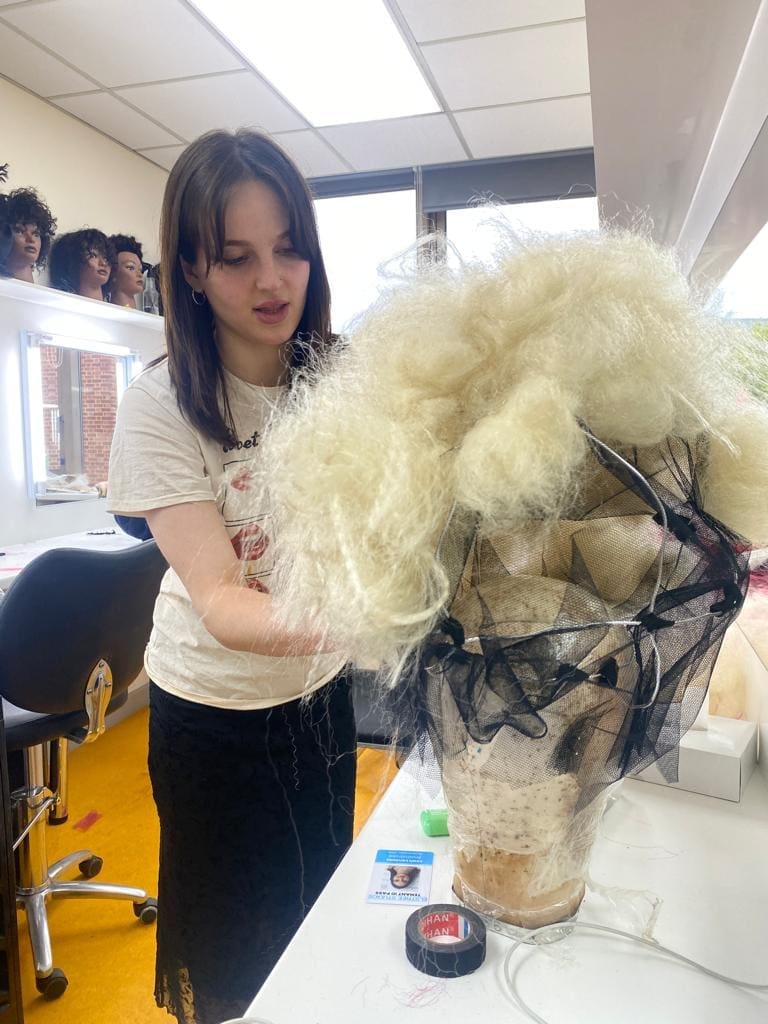
Many TV and film makeup artists also develop skills in hair styling and wig work. Period productions, in particular, rely heavily on wigs and hairpieces to create authentic looks. Understanding how to fit, style, and maintain wigs, as well as how to create hairstyles appropriate for different eras and characters, is an invaluable skill set for any makeup artist working in screen media.
What Qualifications Do You Need?
While raw talent and creativity are essential starting points, formal qualifications play a crucial role in establishing credibility and demonstrating competence to potential employers. The makeup industry values recognised qualifications that verify a professional standard of training. The most widely respected qualifications for aspiring TV and film makeup artists include BTEC diplomas, ITEC certificates, HND and HNC qualifications, and VTCT certifications. These industry-recognised credentials demonstrate that you have received comprehensive training in both theoretical knowledge and practical skills. Employers and production companies regularly look for these qualifications when hiring makeup artists, as they provide assurance of a baseline level of competence and professionalism. At Brushstroke, our courses are designed to provide students with multiple industry-recognised qualifications, including BTEC, ITEC, HND, HNC, and VTCT certifications. This comprehensive approach ensures that our graduates are equipped with the credentials they need to compete effectively in the job market and pursue diverse career opportunities across the entertainment industry.
Why Specialist Training Matters More Than a University Degree
When it comes to preparing for a career in TV and film makeup, specialist training at a dedicated makeup school offers significant advantages over traditional university programs. While universities may offer courses that touch on makeup artistry, they often lack the intensive, hands-on training that is essential for developing the practical skills required in the industry. Specialist makeup schools, such as Brushstroke, provide an immersive learning environment where students spend the majority of their time practising techniques, working with professional-grade products, and developing their skills under the guidance of experienced industry professionals. This hands-on approach is critical because makeup artistry is fundamentally a practical discipline that cannot be mastered through theoretical study alone. Furthermore, specialist schools often have direct connections to the industry, providing students with opportunities to work on real productions, network with working professionals, and gain the on-set experience that employers value. At Brushstroke, our location within renowned film studios, including Longcross and Elstree, means that students are immersed in the working environment of the film and television industry from day one.
A Day in the Life of a TV and Film Makeup Artist
Understanding what a typical working day looks like can help aspiring makeup artists prepare for the realities of the profession. While every day is different, and the specific tasks vary depending on the production, there are common elements that characterise the daily routine of a working TV and film makeup artist. The day typically starts very early, often at four or five in the morning, with makeup artists arriving on set before the actors to prepare their workstations and review the day’s requirements. Once the actors arrive, the makeup application process begins, with the most complex looks being tackled first. Throughout the filming day, the makeup artist remains on set to monitor the actors’ makeup, making touch-ups and adjustments as needed between takes. Communication is a vital part of the role. Makeup artists work closely with directors, cinematographers, costume designers, and other members of the production team to ensure that the makeup design supports the overall visual storytelling. They must be able to interpret creative briefs, offer their professional expertise, and adapt their work to meet the evolving needs of the production. The day often ends late, with makeup artists responsible for removing actors’ makeup and ensuring that all products and equipment are properly cleaned and stored. During multi-day shoots, they must also maintain detailed continuity records, including photographs and notes, to ensure consistency across filming sessions.
Building Your Career: From Training to Working on Set
Breaking into the TV and film makeup industry requires more than just technical skill. It demands persistence, professionalism, and a proactive approach to building your career. The journey from student to working professional typically involves several key stages. The first step is obtaining quality training from a reputable institution. This provides the foundational skills and qualifications needed to enter the industry. During your training, it is important to build a strong portfolio that showcases your range and ability across different styles and techniques. Your portfolio is your calling card and will be the primary tool you use to secure work. Networking is equally important. The film and television industry operates largely through personal connections and recommendations. Attending industry events, joining professional organisations, and maintaining relationships with fellow students and instructors can all lead to job opportunities. Many of our graduates at Brushstroke have secured their first professional roles through connections made during their training. Starting as a trainee or assistant on productions is a common entry point. These roles provide invaluable on-set experience and allow you to learn from established professionals while building your reputation. As you gain experience and demonstrate your abilities, you can progress to more senior positions and take on greater creative responsibilities.
Where TV and Film Makeup Artists Work
The UK is one of the world’s leading centres for film and television production, offering a wealth of employment opportunities for qualified makeup artists. Major studios such as Pinewood, Shepperton, Longcross, and Elstree regularly host high-profile productions that require large teams of makeup professionals. Beyond the major studios, TV and film makeup artists may find work with broadcasting organisations such as the BBC, ITV, and Channel 4, as well as streaming platforms like Netflix, Amazon Prime, and Disney Plus, all of which have significantly increased their UK-based production activities in recent years. The growth of these platforms has created an unprecedented demand for skilled makeup artists across all specialisations. Freelance work is the norm in the industry, with most makeup artists working on a production-by-production basis. This offers both flexibility and variety, as freelancers have the opportunity to work across different types of productions and with diverse creative teams. However, it also requires strong self-management skills and the ability to market yourself effectively to secure consistent work.
Salary Expectations and Career Progression
Earnings for TV and film makeup artists can vary significantly depending on experience, specialisation, and the type of productions they work on. Entry-level makeup artists and trainees can expect to earn modest daily rates as they build their experience. However, as skills and reputation develop, earning potential increases substantially. Experienced makeup artists working on major film and television productions can command competitive daily rates, particularly those with specialised skills in areas such as prosthetics and special effects. Senior makeup artists, department heads, and those who establish themselves as specialists in high-demand areas can achieve very comfortable incomes. Career progression in TV and film makeup typically follows a path from trainee to junior artist, then to key makeup artist and eventually head of department or makeup designer. Each step brings greater creative responsibility and higher earning potential. Some makeup artists also diversify their careers by moving into teaching, product development, or establishing their own makeup effects companies.
Why Brushstroke Is the Ideal Place to Start Your Journey
Choosing the right training provider is one of the most important decisions you will make at the start of your makeup career. Brushstroke Makeup School has been training professional makeup artists for over 35 years, and our graduates have gone on to work on some of the most prestigious productions in the film and television industry. Our unique position within working film studios gives our students an unparalleled advantage. Training at Longcross and Elstree means that students are surrounded by the sights, sounds, and energy of active productions, providing context and inspiration that cannot be replicated in a traditional classroom setting. Our instructors are working industry professionals who bring current, real-world experience to their teaching. We offer a range of courses tailored to different career aspirations and experience levels, from comprehensive two-year BTEC diplomas to shorter specialist courses. All of our programs are designed to provide the perfect balance of theoretical knowledge and practical skill development, ensuring that graduates are fully prepared to enter the industry with confidence. Our track record speaks for itself. Brushstroke graduates have worked on productions including major BBC dramas, Netflix series, and internationally acclaimed feature films. The connections and reputation that come with a Brushstroke qualification open doors that might otherwise remain closed to newcomers in the industry.
Taking the Next Step
If you are passionate about makeup artistry and dream of working in television and film, there has never been a better time to pursue this career. The UK’s screen industries are thriving, with more productions being filmed than ever before, and the demand for skilled makeup professionals continues to grow. The journey to becoming a professional TV and film makeup artist begins with quality training, and Brushstroke is here to guide you every step of the way. Whether you are a school leaver exploring career options, a career changer looking for a more creative path, or someone with existing makeup skills who wants to specialise in screen media, we have a course that is right for you. Contact us today to learn more about our courses, arrange a visit to our studios, or request a copy of our prospectus. Your future in TV and film makeup starts here.
The best way to understand the work is to see it in person. Brushstroke has trained makeup artists inside Elstree and Longcross studios for over thirty five years, and a visit lets you watch the training up close.
Further reading
Keeping looks consistent across a shoot.
How makeup reads differently on screen.
Working across film, television and stage.
A year of looks from across film and television.