

What Is a Year in Film and TV Makeup Like?
If you want to work in film and TV makeup, and understand the jobs and courses that lead there, this explains how the year really works. A career in screen makeup follows a rhythm few people see from the outside. The year moves through production cycles, contracts and the quieter stretches between them, with bursts of intense work giving way to time spent preparing for the next job. Understanding that shape is part of understanding the career, because film and television work is rarely steady week to week, yet it can add up to a full and rewarding year. This guide walks through what a year in film and television makeup actually looks like.
Want to see how it all works in person? A visit lets you look around the studios and meet the tutors before you commit to anything.
Does film and TV makeup follow a yearly rhythm?
It does, though it is a rhythm of cycles rather than a fixed calendar. Work arrives in the shape of productions, each with its own run of preparation, filming and wrap, and an artist’s year is built from however many of those they take on and how they fit together. Some periods are relentless, with long days on set for weeks at a stretch, while others are quieter, spent securing the next contract and keeping skills and contacts warm. The year is less a steady job and more a series of intense projects with gaps between, and learning to manage that flow is central to the career.
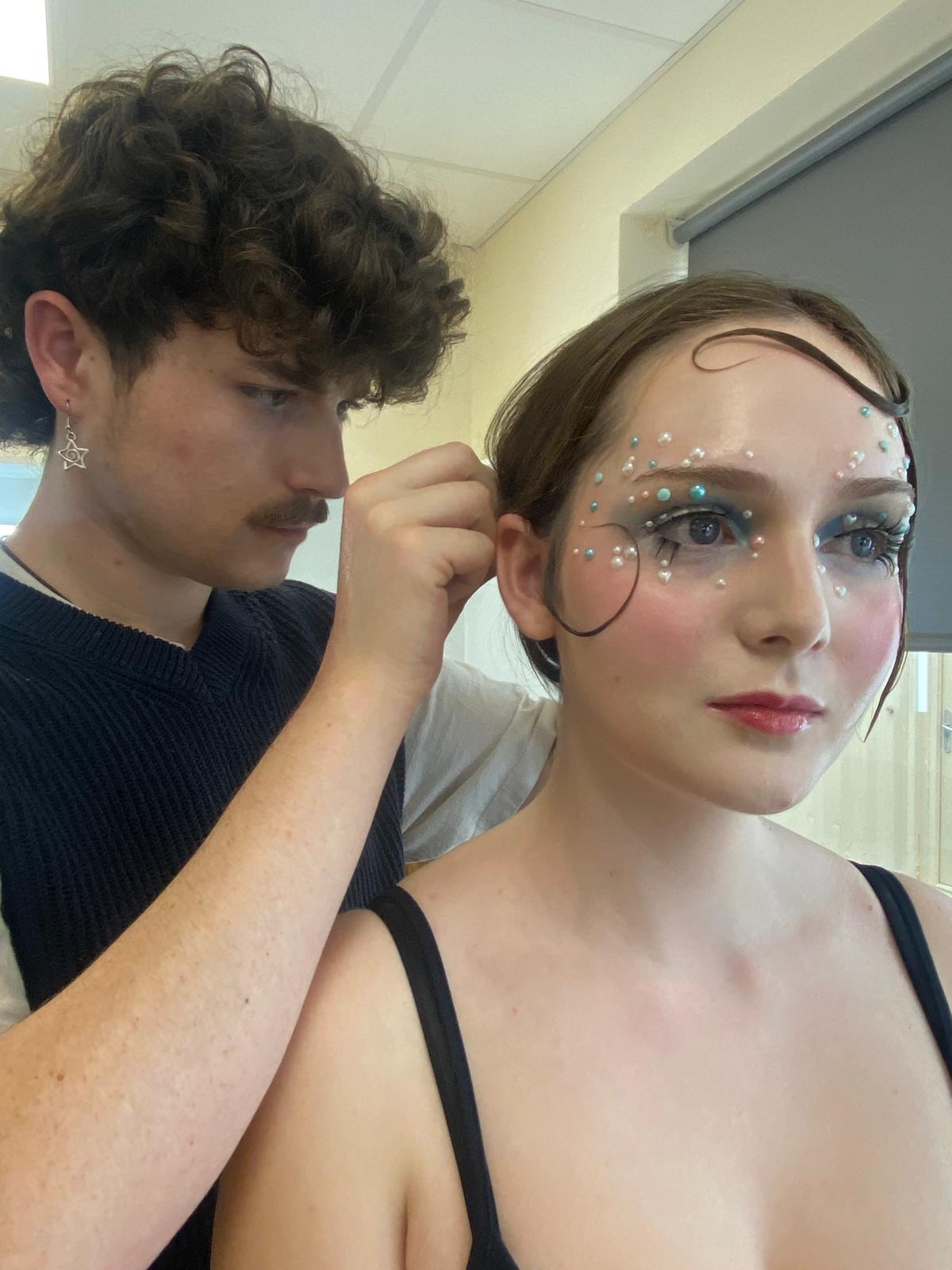
What does the production year look like?
Pre-production
Before filming begins, there is planning. The makeup team studies the script, designs the looks, tests and prepares, and works out continuity, effects and schedules with the rest of the production. It is quieter than the shoot but vital, because the groundwork laid here is what makes the filming run smoothly. For the artist it is a stretch of focused preparation rather than long days on set.
The shoot
Filming is the intense heart of the year. Days are long and early, the work is constant, and the artist is on set creating and maintaining looks through every take, often for weeks or months at a time. It is demanding and immersive, with the rhythm of the production taking over daily life completely while it lasts.
Between contracts
Between productions come the gaps, which are part of the freelance reality of screen work. These periods are used to find the next job, keep relationships alive, rest after an intense shoot and develop skills. Some artists fill them with other kinds of work, so the quiet stretches are productive rather than simply empty.
Press and awards season
Parts of the year bring their own flurry of work around premieres, press and awards, where high profile looks are in demand. For artists connected to that world it adds another busy, visible layer to the calendar, with its own pressures and rewards on top of the production cycle.
How does freelance screen work flow across a year?
Contracts and gaps
Most screen work is contract based and tied to productions, so income and activity come in blocks rather than a steady stream. A good year might string several contracts together with manageable gaps, while a leaner one has longer waits between jobs. Managing that flow, rather than expecting steady weekly work, is the heart of the freelance screen life.
Building relationships
The next job often comes from the last one, since productions hire people they know and trust. Artists who are reliable and good to work with get recommended and rebooked, so much of the year’s quieter effort goes into nurturing the relationships that keep the contracts coming. Reputation does a great deal of the work of finding work.
Managing income and staying ready
Because the money arrives unevenly, planning across the year matters, with busy contracts carrying the gaps between. Staying ready also matters, keeping skills sharp, the kit in order and availability open, so that when a production calls the artist can step straight in. The year rewards those who treat the quiet times as preparation rather than downtime.

What kinds of productions make up the year?
A screen artist’s year can be built from a real mix of work. Feature films bring long, immersive shoots, television drama offers extended runs and sometimes returning series that provide welcome continuity, and commercials, music videos and shorter projects fill in around them. Some artists specialise in one area, while others move between them to keep the year full and varied. The blend shapes the whole feel of the year, from the steadiness of a long running series to the variety of stringing together shorter jobs, and part of building a career is finding the mix that suits you.
Whatever the blend, the daily craft underneath stays the same, built on the screen skills, continuity and consistency explored in makeup for camera. The productions change through the year, but the standard the camera demands does not.
How do artists stay in work all year?
Staying busy across a year takes more than talent. The artists who work steadily are usually the ones who built strong relationships, earned a reputation for reliability, and kept themselves visible and available between jobs. Many keep their year full by being open to different kinds of production, taking shorter projects between bigger contracts, and staying in touch with the people who hire. A flexible, dependable artist with a good name rarely sits idle for long, because productions come back to those they can count on. The quiet periods are where that steady year is quietly built.
What is the lifestyle like across a year?
The screen makeup year is one of contrasts. There are stretches of total immersion, with long days, early calls and little time for anything else while a production runs, and then quieter spells with more freedom but less certainty. There can be travel, time on location away from home, and the need to adapt constantly to new productions and teams. It suits people who enjoy variety and intensity over routine, and who can handle the swing between full on work and waiting for the next job. For those who love film and television, the rhythm becomes part of the appeal rather than a drawback.
It is a demanding way to build a year, but a rewarding one. Each production is a new world to step into, the work is creative and collaborative, and the sense of contributing to something an audience will watch gives the long hours real meaning. Many artists would not trade that varied, project driven year for a steadier routine.
The shape of the year also changes as a career grows. Established artists often move from one production to the next with shorter gaps, and the uncertainty that defines the early years gives way to a steadier flow of work built on reputation. The rhythm never becomes a nine to five, but it grows far more predictable once the relationships and the track record are in place, and many find the variety keeps the work feeling fresh year after year.
Where does training prepare you for this?
A year in screen makeup asks for skill, stamina and professionalism, and proper training builds all three before a production depends on you. Brushstroke has trained makeup artists inside Elstree and Longcross studios for over thirty five years, so students learn the screen skills, continuity and on set discipline that the production year demands, in the kind of environment they will go on to work in. The two year diploma and 7 month diploma both prepare you for that life. The best way to understand it is to come and see the studios.
Frequently Asked Questions
Is film and TV makeup steady work?
It tends to come in blocks tied to productions rather than steady weekly work, with intense shoots followed by quieter gaps. A good year strings several contracts together, and reliable artists with strong relationships stay busiest.
How do screen makeup artists find work between jobs?
Largely through relationships and reputation, since productions rehire and recommend people they trust. Staying visible, keeping in touch with contacts and being ready to step in quickly all help fill the year.
Do film makeup artists work all year round?
Many do, by combining different productions and taking shorter projects between bigger contracts. The work is uneven across the year, so staying flexible and well connected is what keeps it consistent.
What is the hardest part of a year in screen makeup?
For many it is the unevenness, with intense shoots and long hours set against uncertain gaps between contracts. Managing income and staying ready through the quiet periods takes real discipline.
Is a career in film and TV makeup worth it?
For people who love film and television and enjoy varied, project based work, it can be hugely rewarding. The rhythm is demanding, but the creativity and the sense of contributing to productions make it worthwhile for many artists.
How do you become a film and TV makeup artist?
Train in professional makeup with media skills such as continuity, HD and basic special effects, then assist on productions to gain credits. Screen work is built on reliability and contacts, so consistent good work on set is what moves you up.
What courses lead to film and TV makeup work?
Look for professional makeup courses that include media, camera and continuity training, ideally taught by artists with screen credits. A broad media makeup grounding prepares you for the range of jobs across film and television.
Where do film and TV makeup artist jobs come from?
Most screen work comes through crewing contacts, production designers and heads of department, plus agencies, rather than open adverts. Assisting and a good reputation are how you get the call for the next job.
Further reading
What a working day on set actually looks like.
How makeup reads differently on screen.
Keeping looks consistent across a shoot.
Where makeup training can take your career.